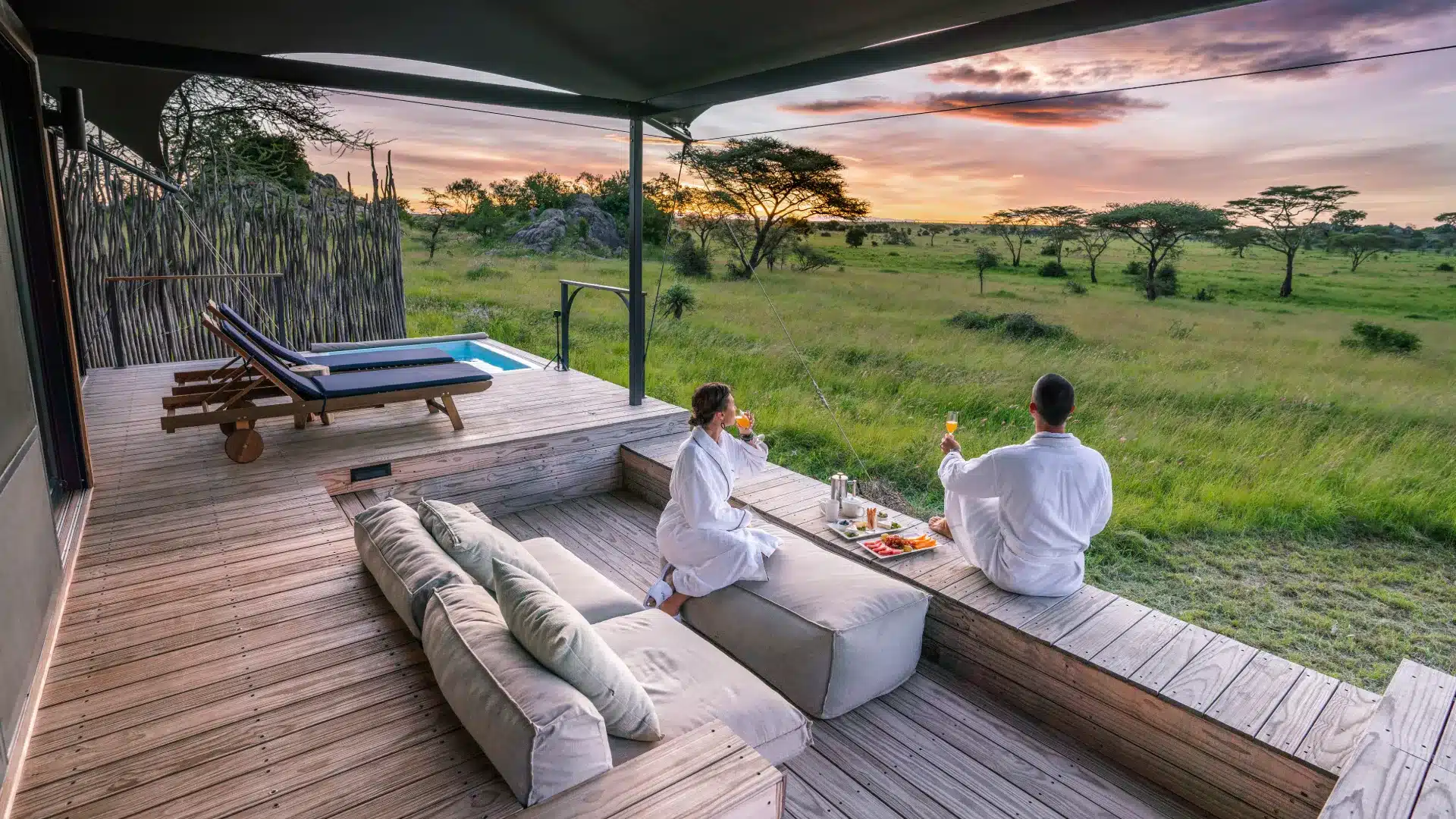
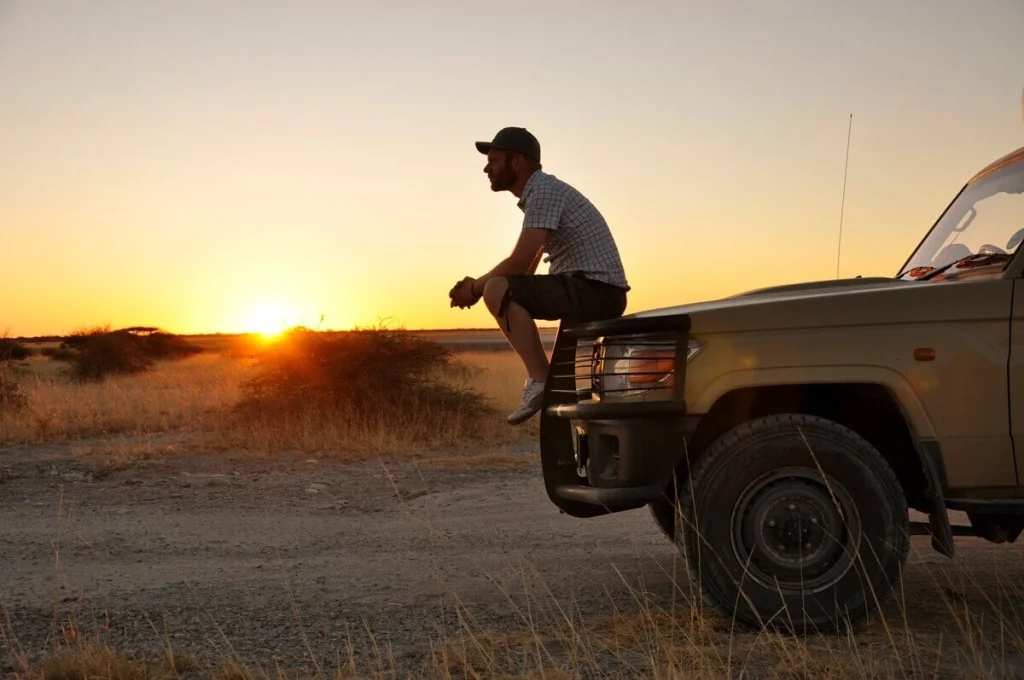
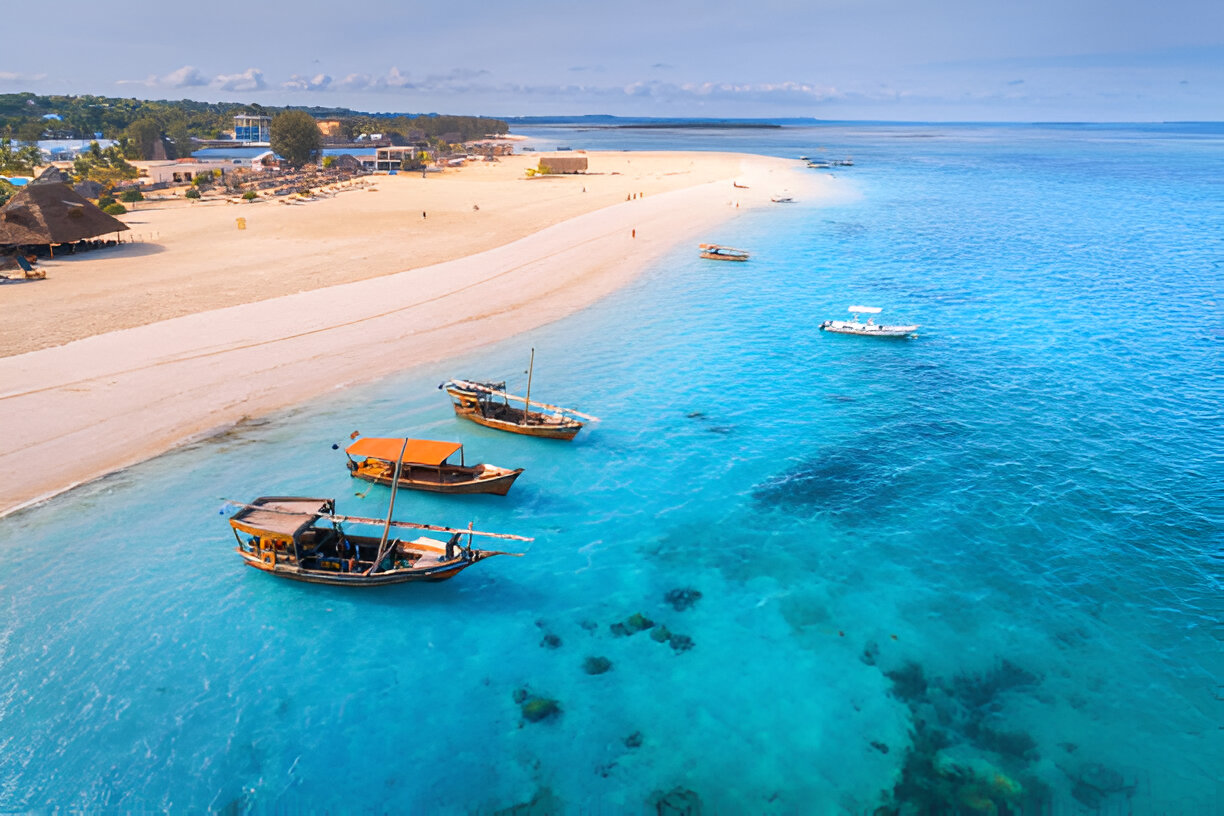
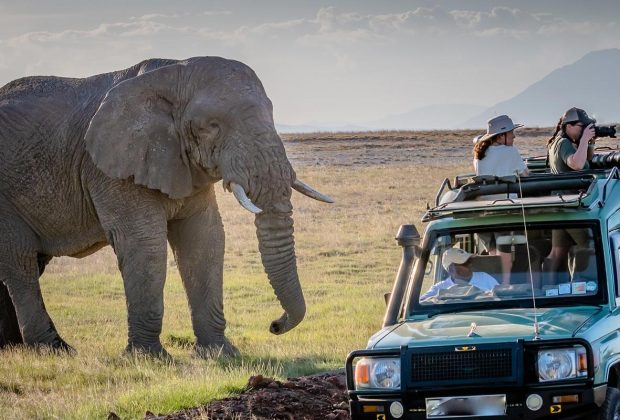
We are committed to creating unique, life-changing experiences that are catered to your goals and aspirations. Our knowledgeable staff can make your dream vacation a reality, whether it’s an exciting safari, a cultural excursion, or a seaside getaway. Together, let’s craft the experience of a lifetime. Get in touch with us right now to start organising your ideal vacation.
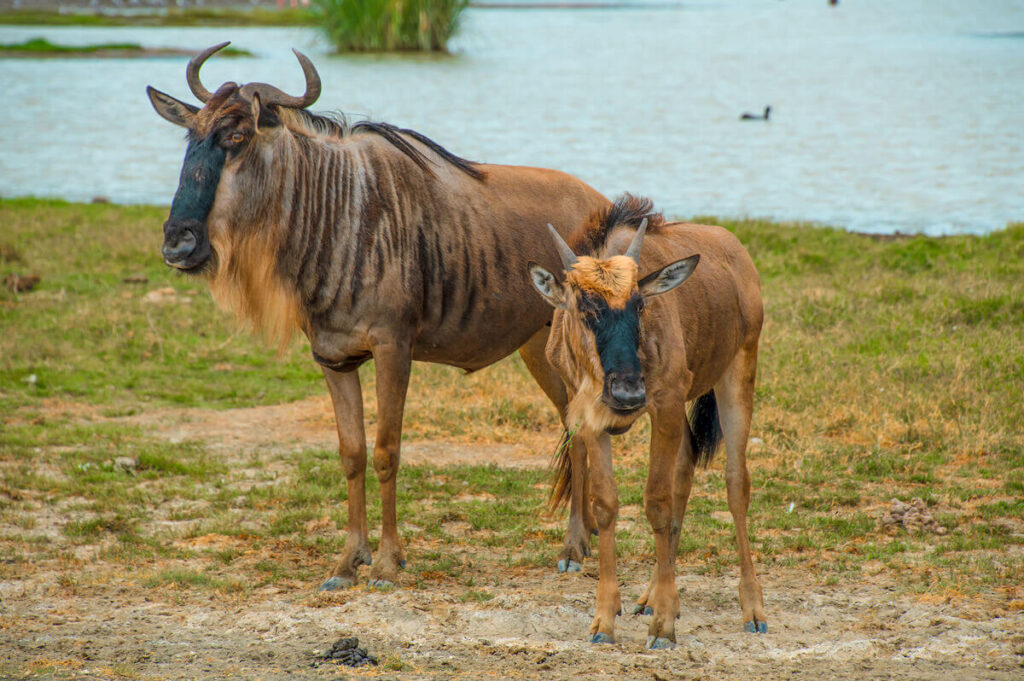
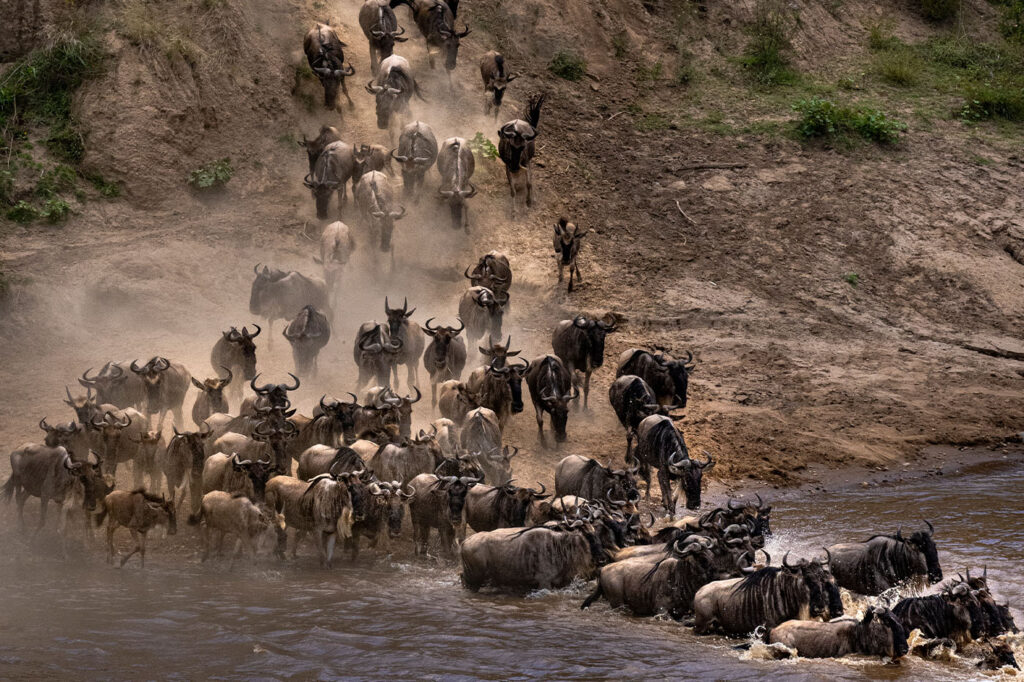
The Great Wildebeest Migration in Tanzania is one of the most spectacular natural events on the planet, often referred to as the “Greatest Show on Earth.”
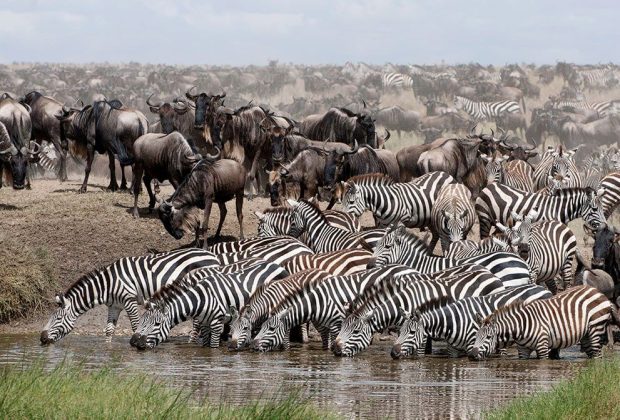
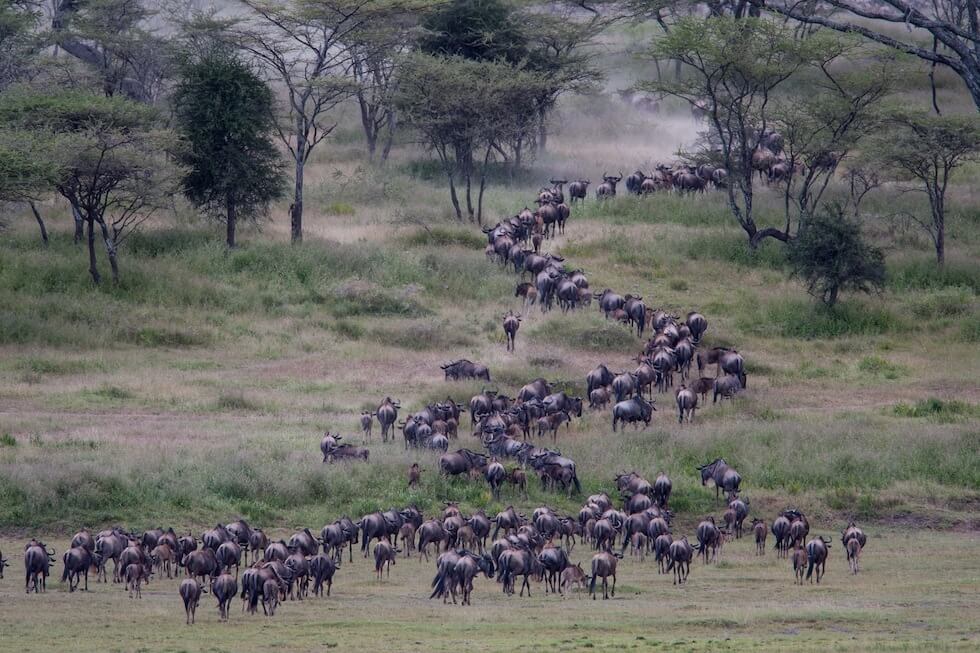
This awe-inspiring phenomenon involves over 1.5 million wildebeest, accompanied by hundreds of thousands of zebras and gazelles, embarking on a perilous journey through the Serengeti-Mara ecosystem in search of greener pastures.
The Journey
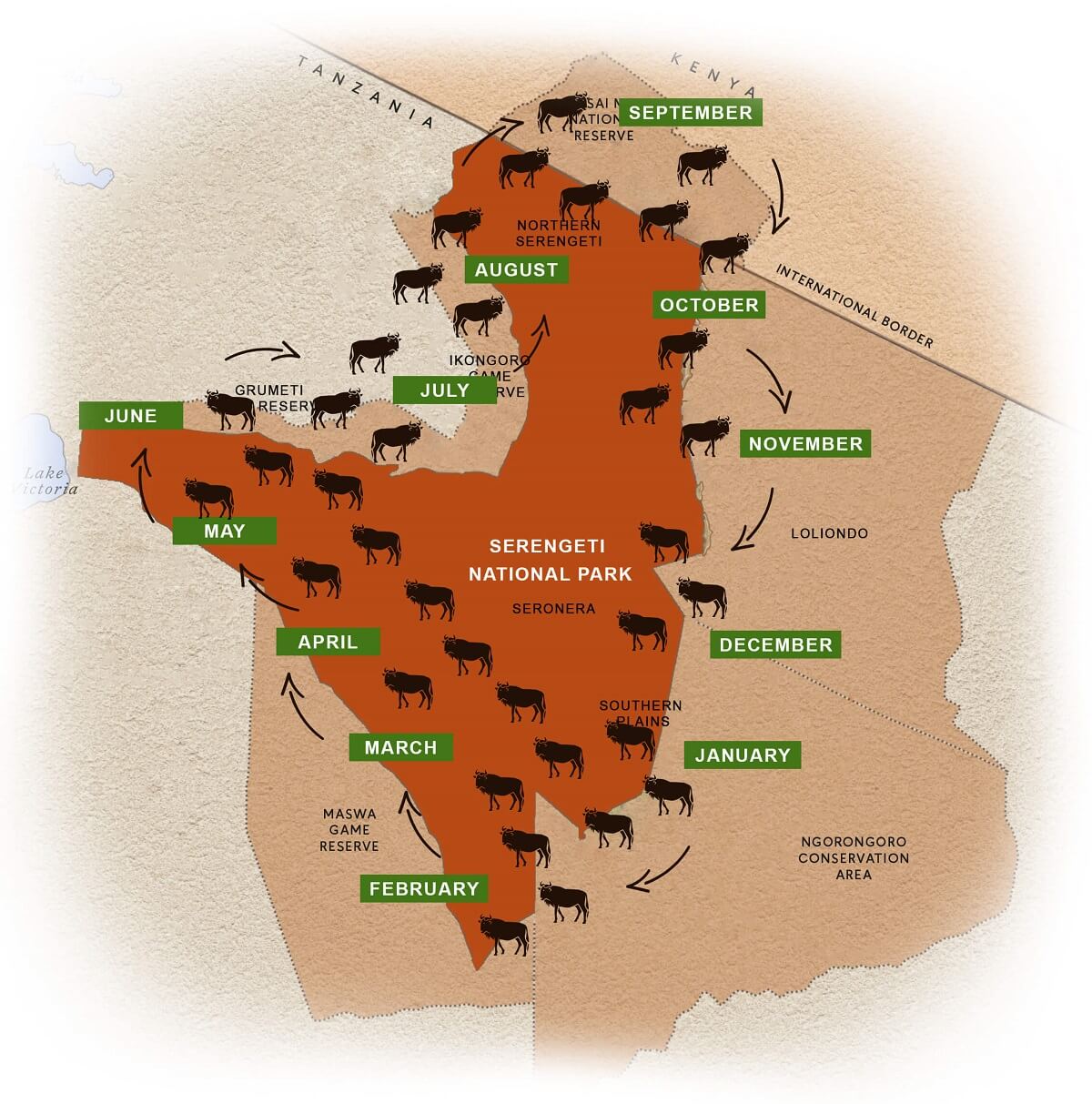
The migration is a continuous cycle driven by the seasonal rains and the growth of fresh grazing grass. It begins in the Serengeti National Park in Tanzania, where the wildebeest give birth to around 500,000 calves between January and March. As the dry season approaches in May and June, the herds start moving northwards towards the Grumeti River, facing the first of many challenges: crossing crocodile-infested waters.
Major Crossing Points
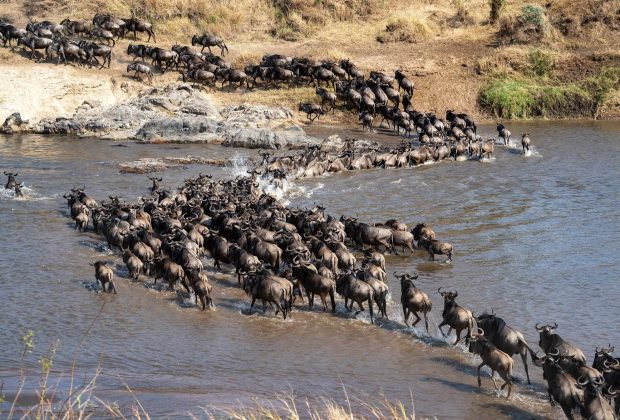
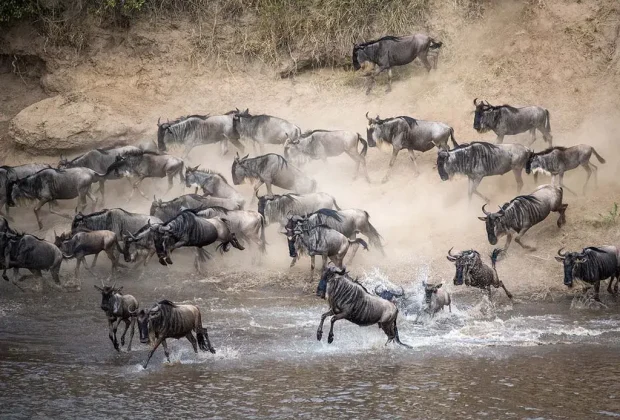
One of the most dramatic highlights of the migration is the crossing of the Mara River, usually between July and September. This river marks the boundary between Tanzania’s Serengeti and Kenya’s Maasai Mara. The sight of thousands of wildebeest and zebras braving the swift currents and lurking predators is both heart-stopping and mesmerizing.
Best Times to Visit
To witness the Great Migration in its various stages, timing is crucial:
December to March: Calving season in the southern Serengeti plains.
April to June: Movement towards the central Serengeti and western corridor.
July to September: River crossings at Grumeti and Mara Rivers.
October to November: The return journey to the southern Serengeti.
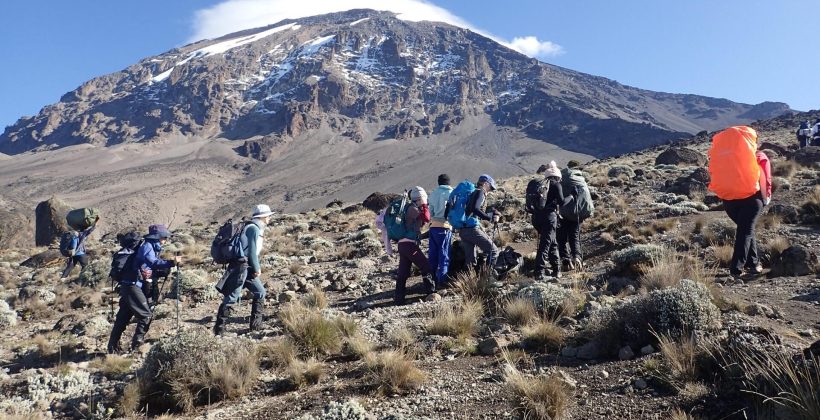
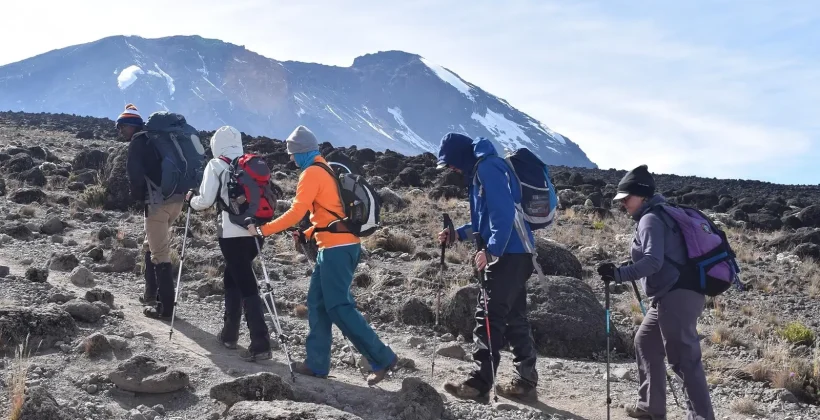
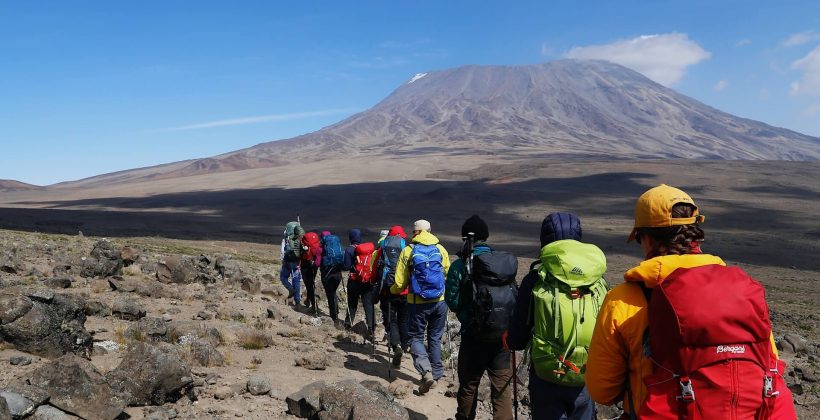
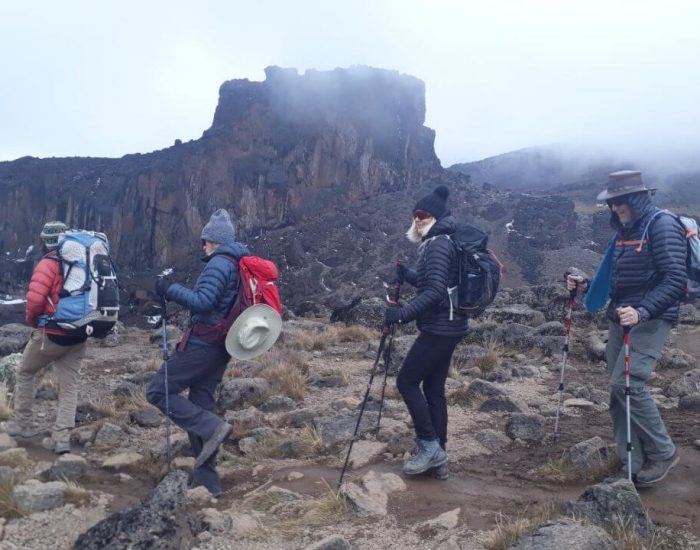
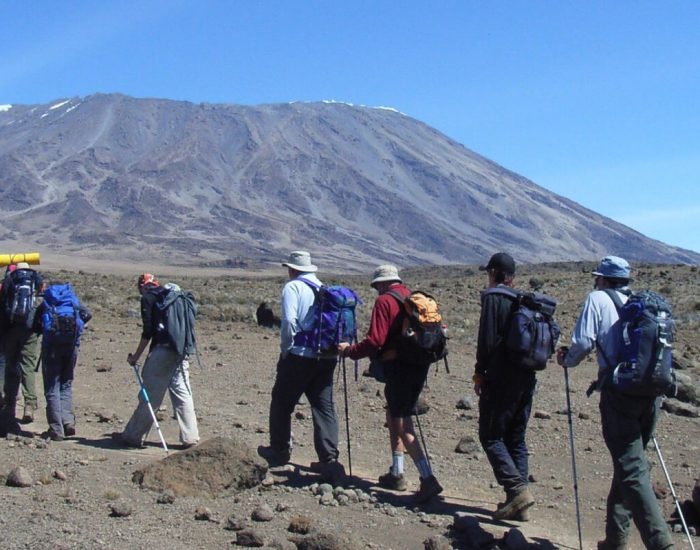
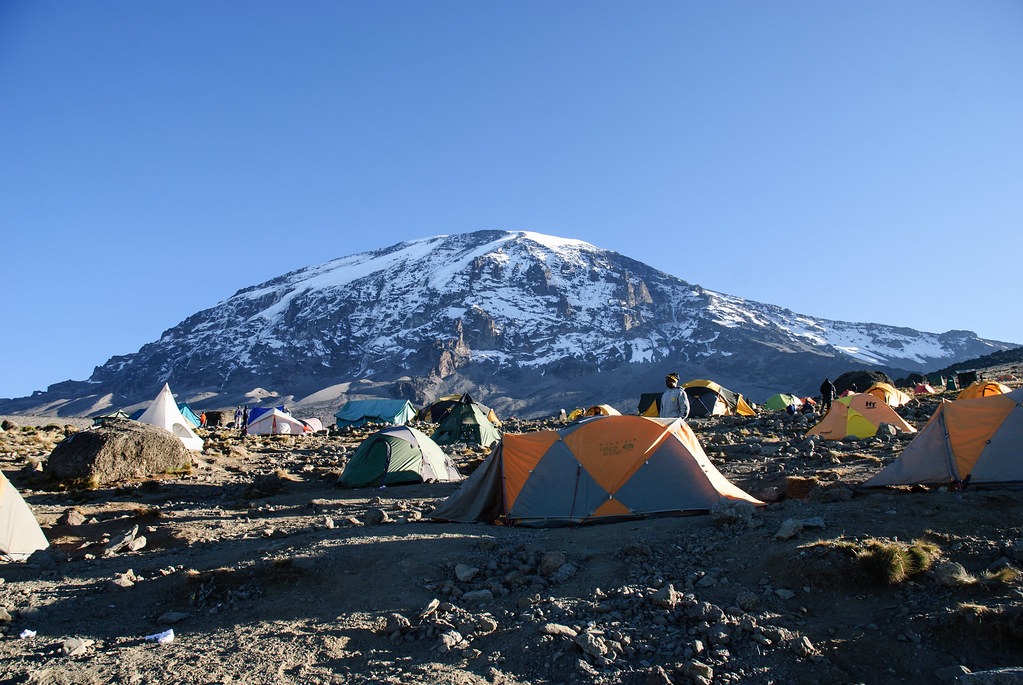
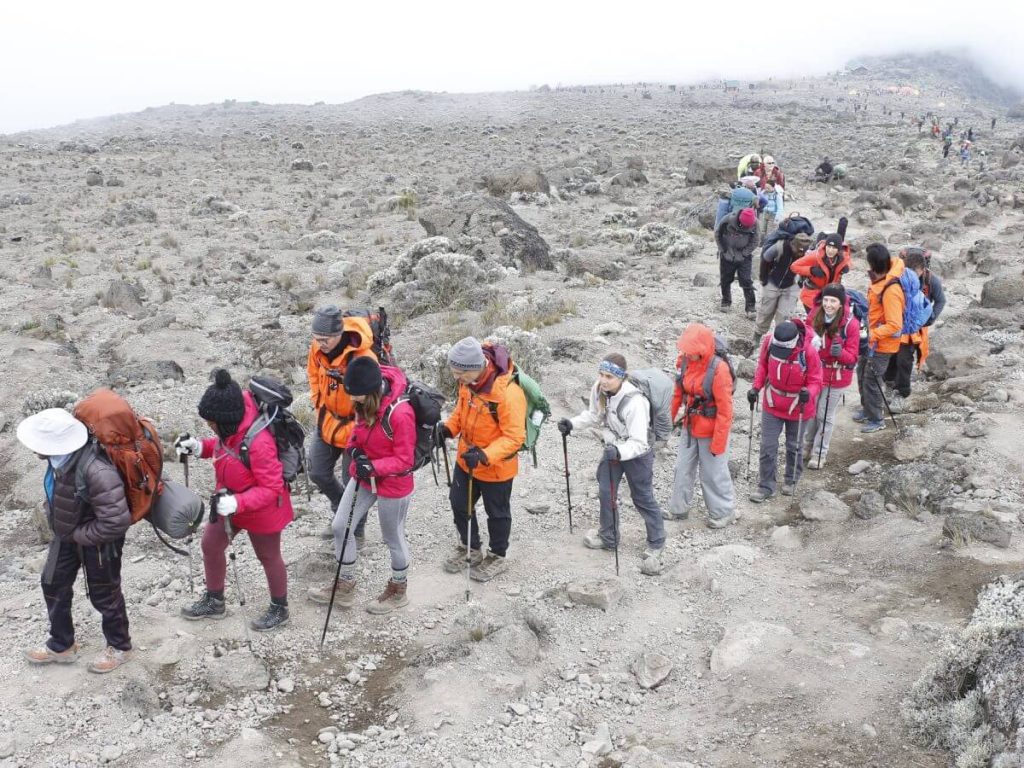
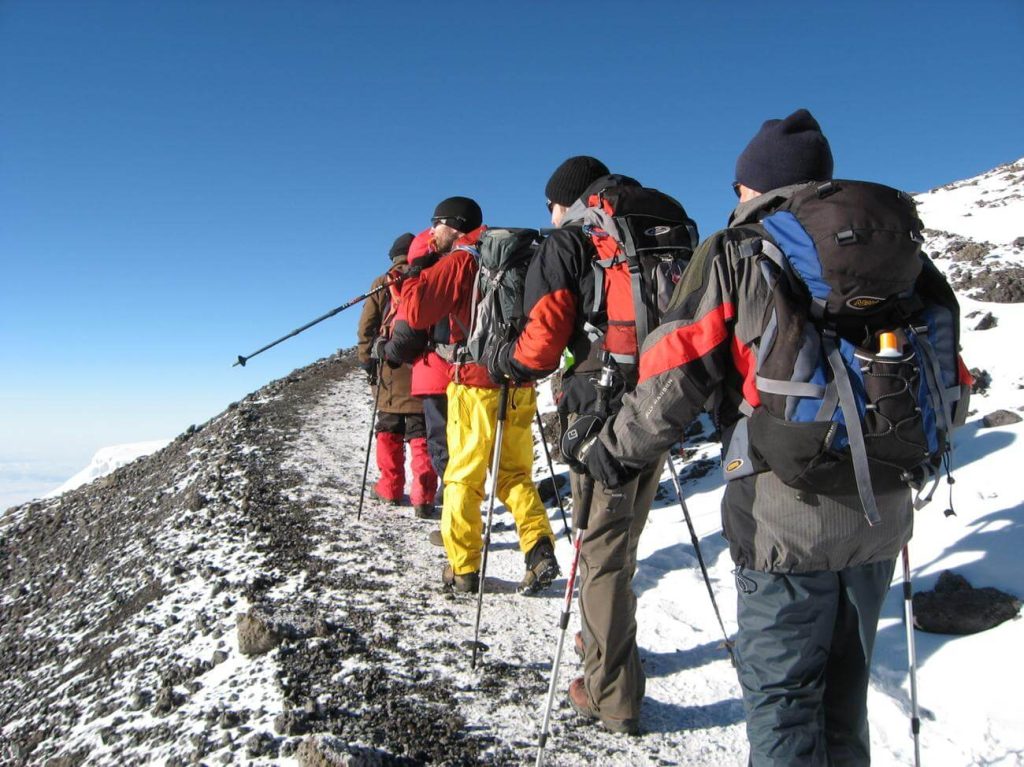
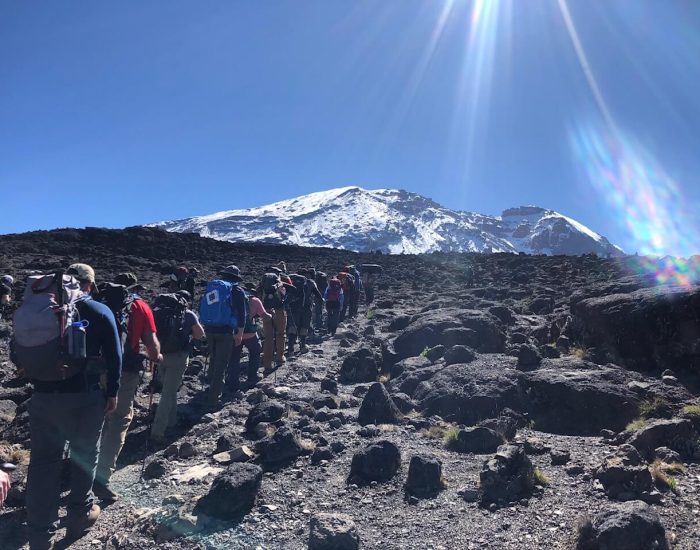
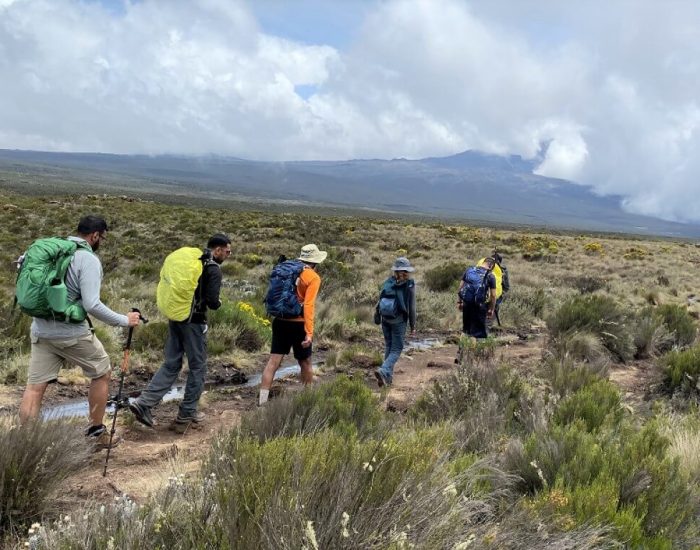
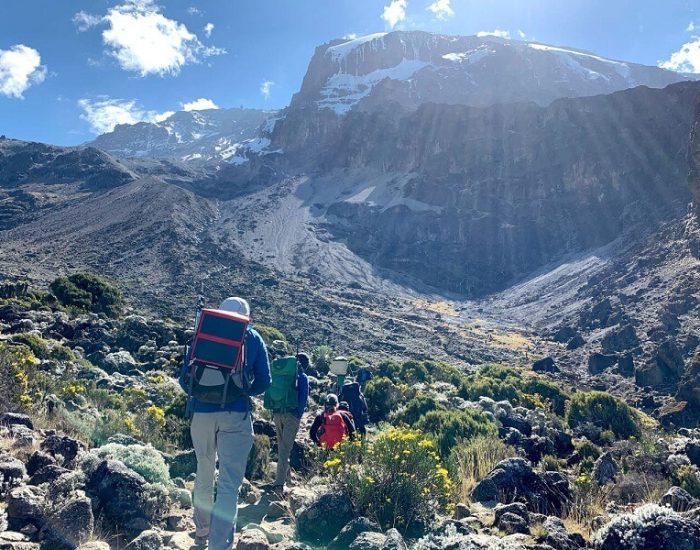
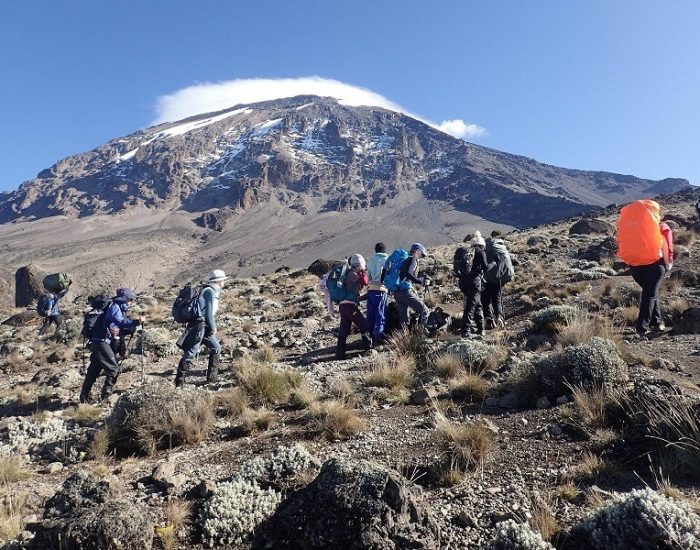
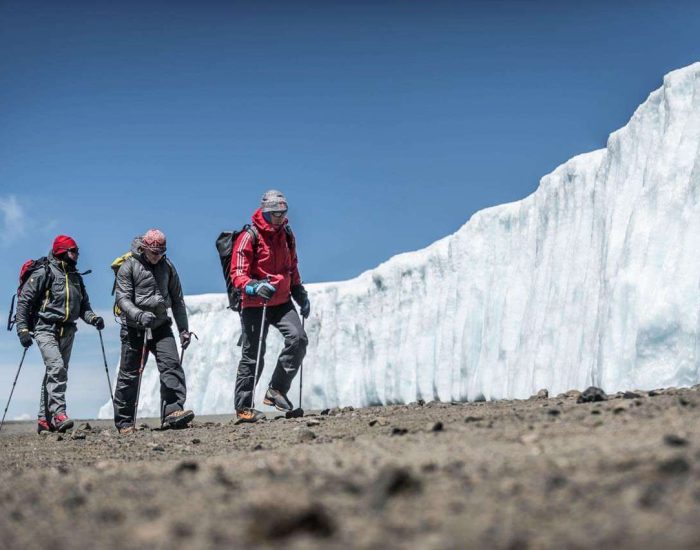
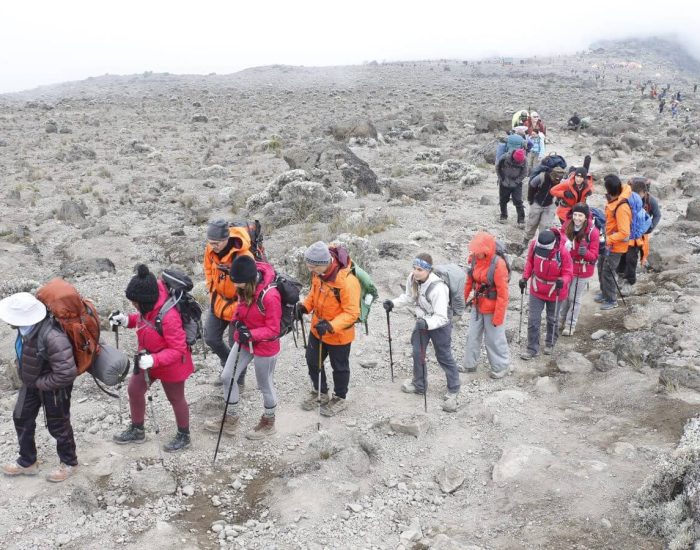
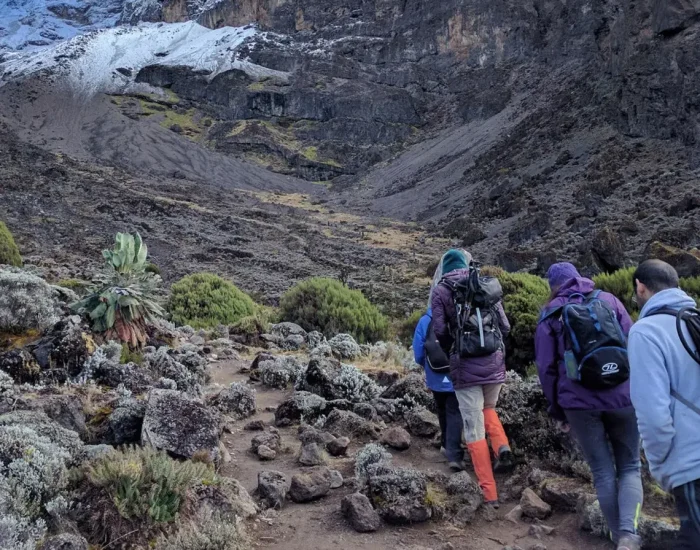
Trekking Mount Kilimanjaro, Africa’s highest peak, is an adventure of a lifetime that attracts thousands of enthusiasts each year. This iconic mountain offers several routes, each providing unique challenges and breathtaking vistas, from lush rainforests and alpine meadows to the stark, icy summit. Climbers can choose from popular routes like the Marangu, Machame, or Lemosho, each varying in difficulty and scenery.
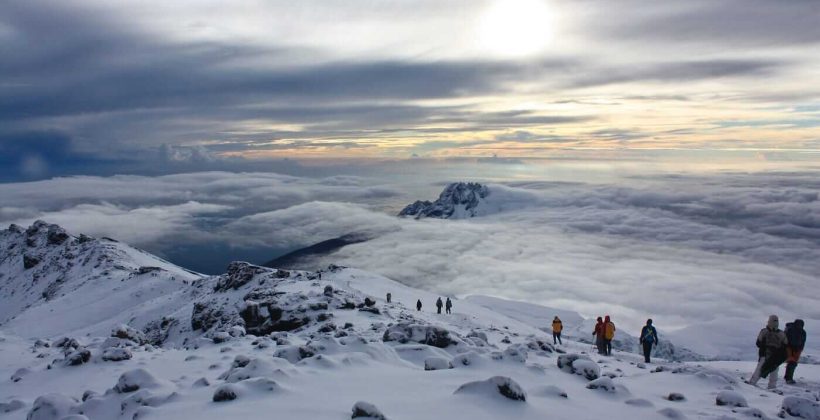
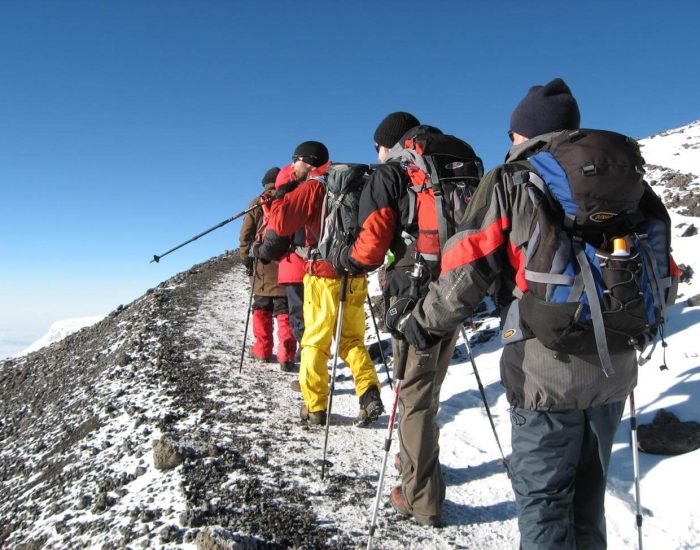
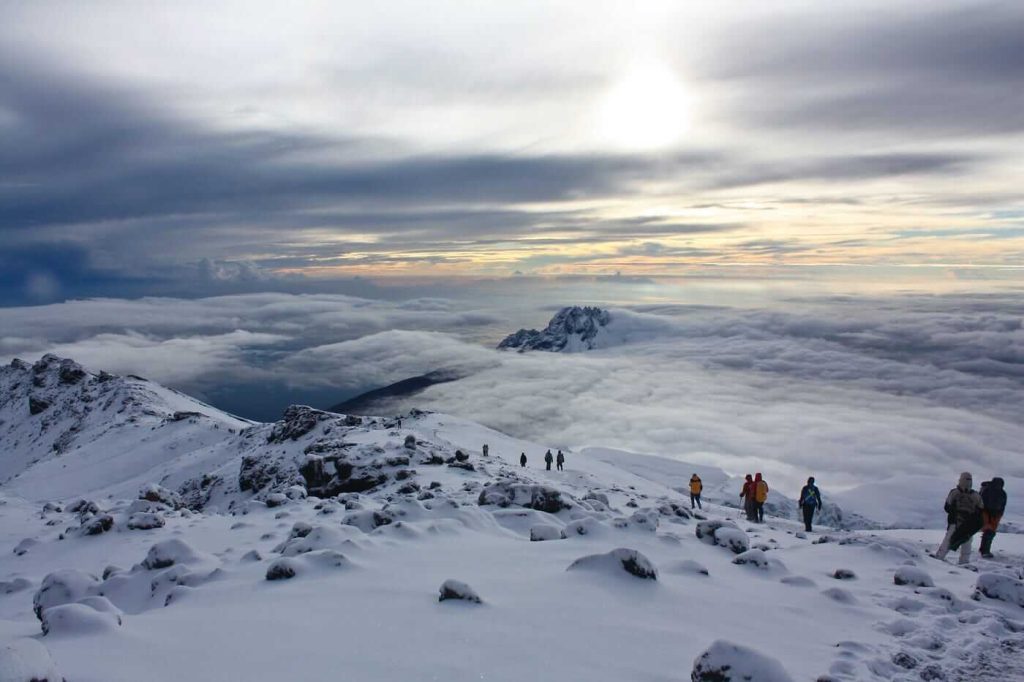
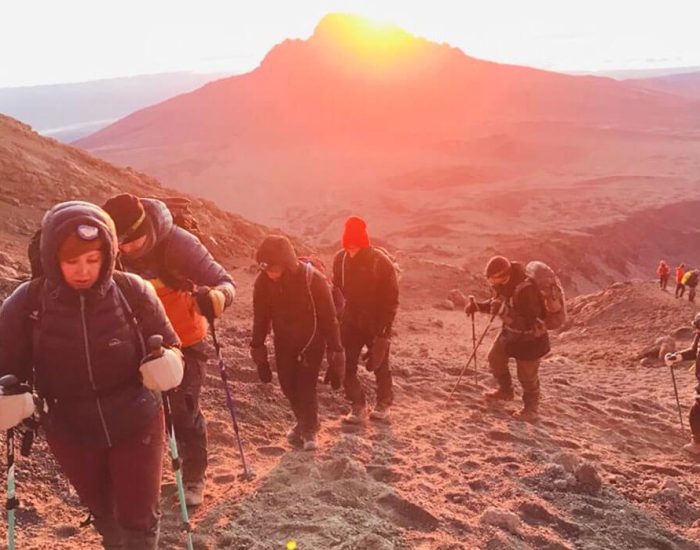
As trekkers ascend, they traverse diverse climatic zones, encounter unique flora and fauna, and witness awe-inspiring sunrises above the clouds. Reaching Uhuru Peak at 5,895 meters is a testament to one’s endurance and spirit, rewarding climbers with unparalleled views and a profound sense of achievement. Whether for seasoned mountaineers or determined adventurers, Kilimanjaro offers an unforgettable journey to the “Roof of Africa.”
Tanzania Safari offers an unparalleled safari experience, showcasing some of Africa’s most iconic landscapes and wildlife. This region includes the world-renowned Serengeti National Park, where the Great Migration unfolds, and the dramatic Ngorongoro Crater, a UNESCO World Heritage site teeming with diverse species.
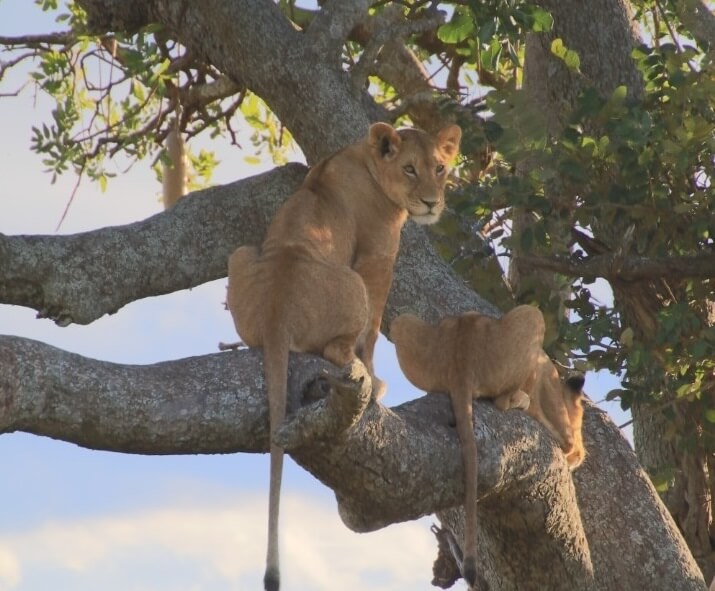
Visitors can explore the baobab-filled Tarangire National Park, known for its large elephant herds, and the lesser-known yet equally captivating Lake Manyara National Park, famous for its tree-climbing lions and flamingo-filled shores. Each park provides unique opportunities for wildlife viewing and adventure, from hot air balloon rides to walking safaris, ensuring a rich and varied immersion into Tanzania’s natural wonders.
We are dedicated to crafting personalised, transformative journeys that reflect your goals and aspirations. With our experienced team, the vacation you’ve been dreaming of becomes effortlessly achievable.
Experiences Across Tanzania’s Wild & Cultural Landscapes
GAME DRIVE
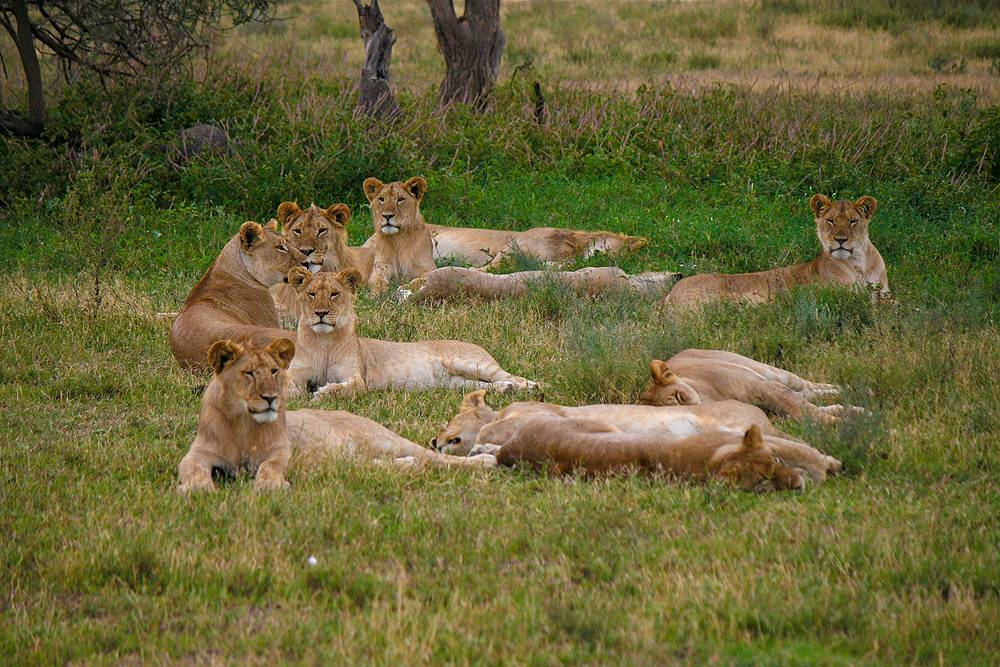
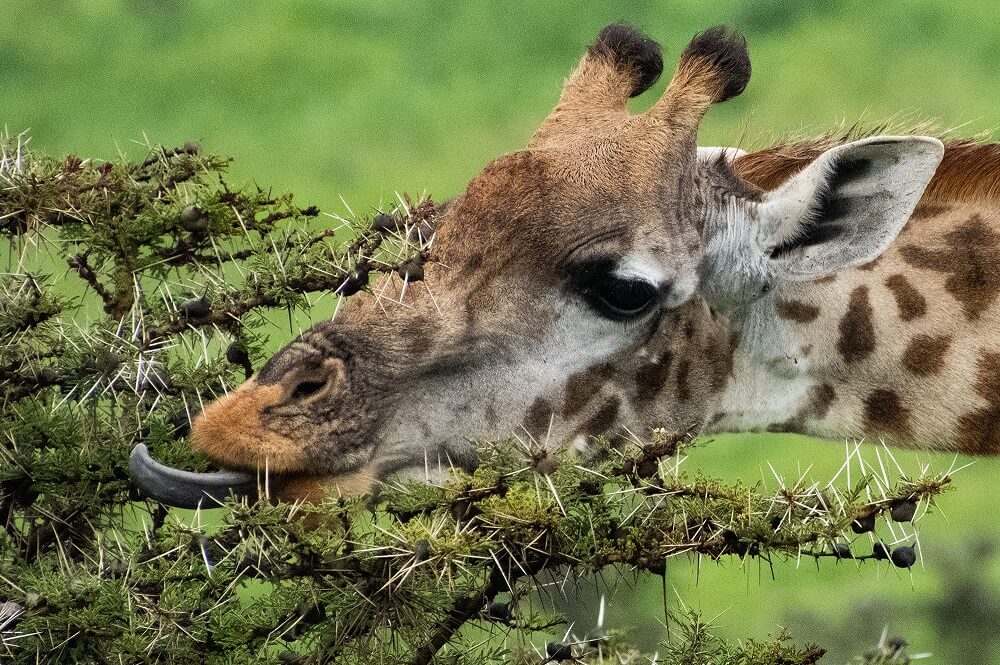
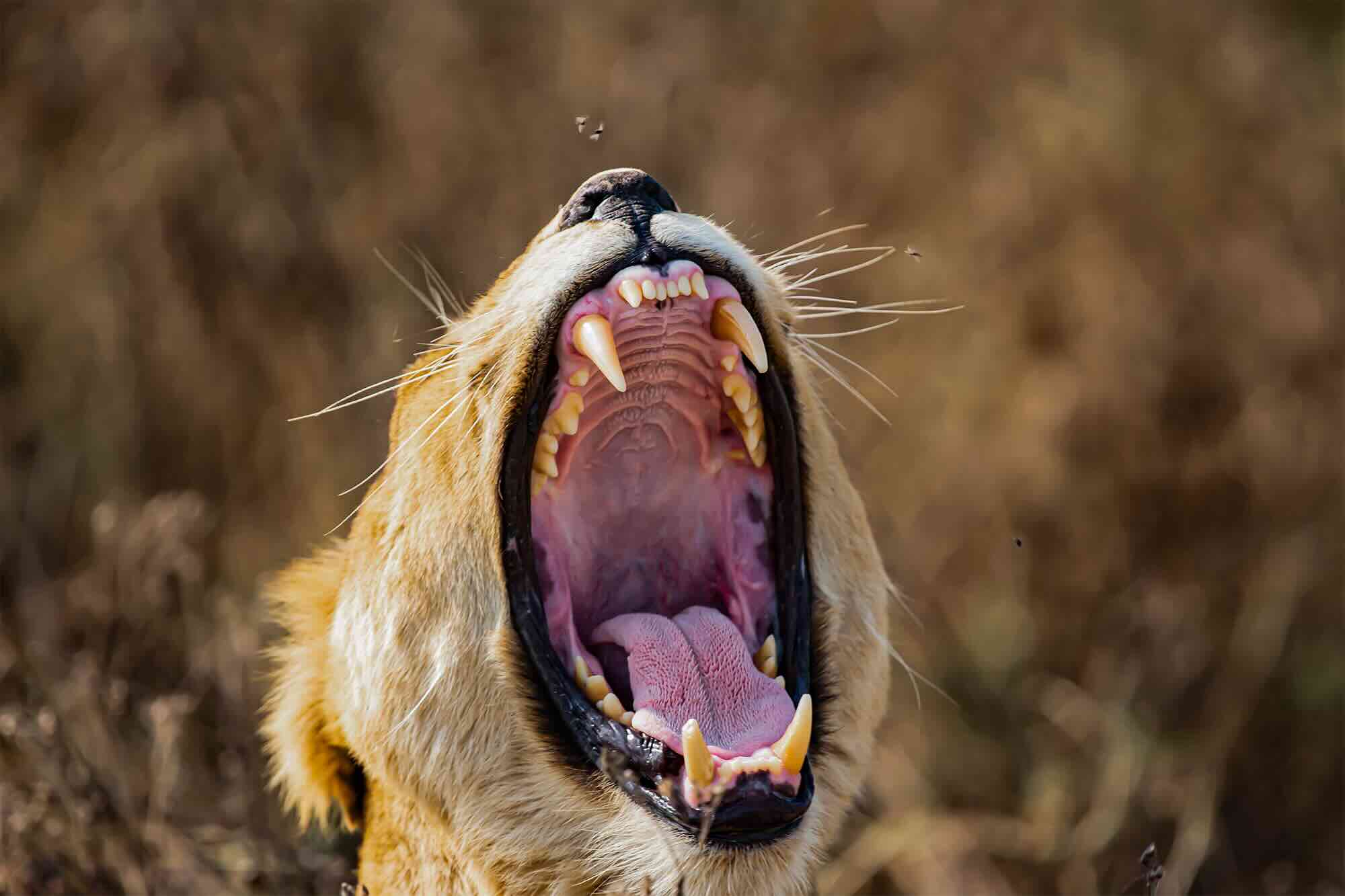
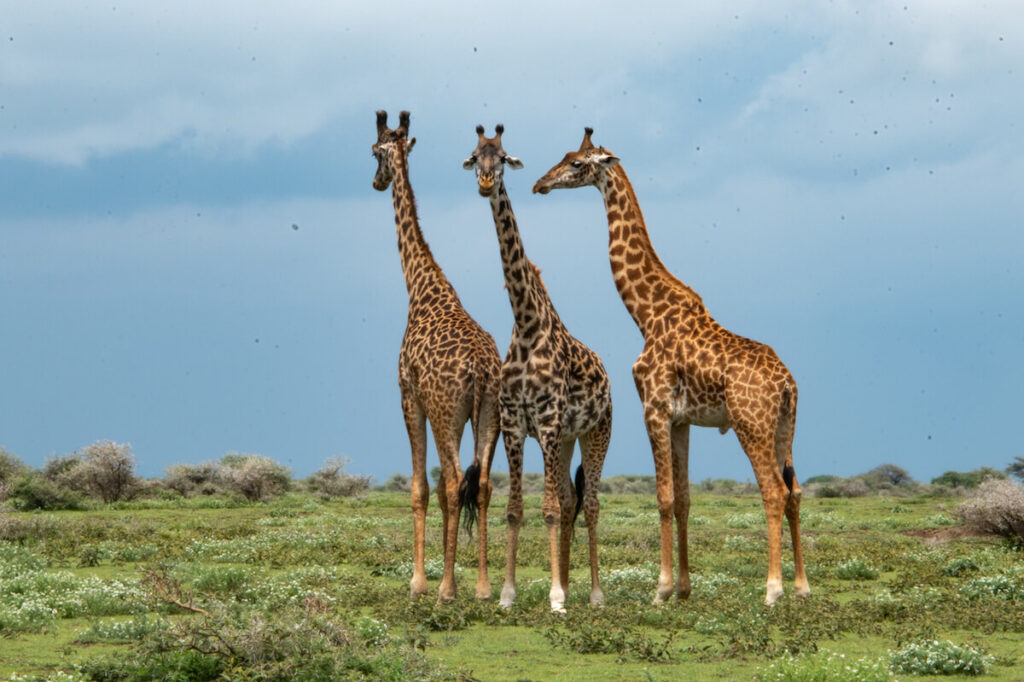
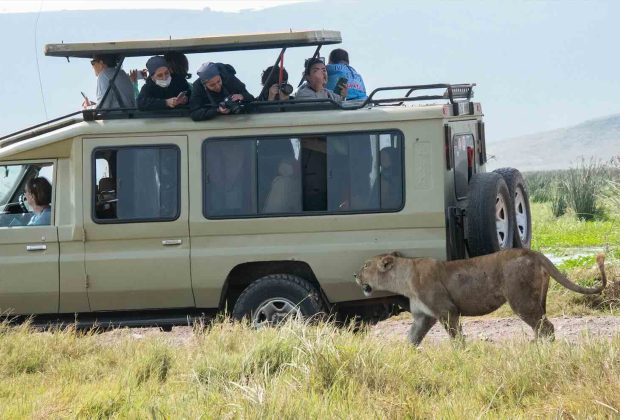
Game drives are the heartbeat of every safari — offering close-up encounters with lions, elephants, giraffes, and more across Tanzania’s iconic parks.
Highlights
Experience Tanzania’s wild soul through immersive game drives. From the endless plains of Serengeti to the lush forests of Manyara, the crater floor of Ngorongoro to the quiet savannahs of Mkomazi — each drive unveils a new chapter of nature’s story.
Available as morning, afternoon, full-day, or night drives (in select areas), these journeys offer close-up encounters with lions, elephants, giraffes, and more. Perfect for photographers, families, and adventurers seeking raw beauty and unforgettable moments.
PHOTOGRAPHIC SAFARIS
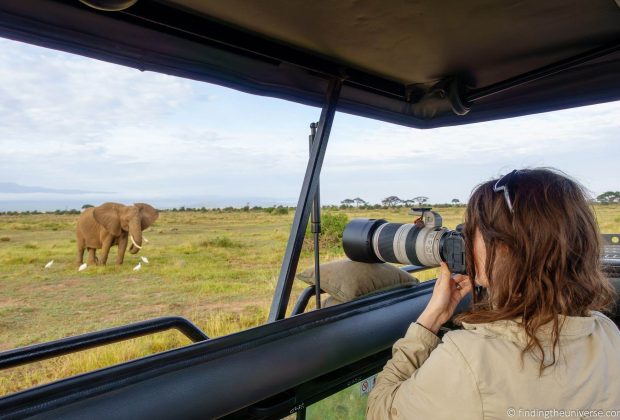
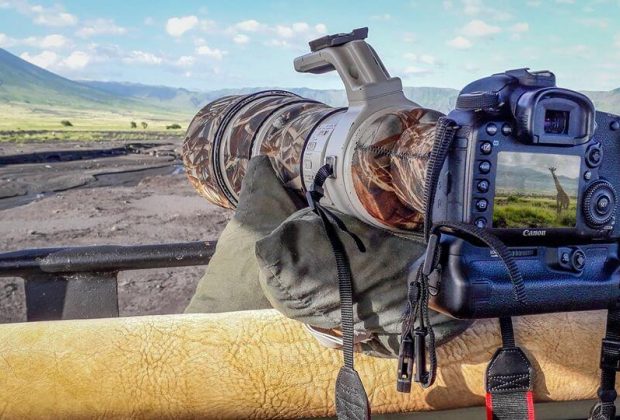
Tanzania provides an ideal setting for photographers with numerous opportunities to capture breathtaking wildlife, landscapes, and cultural experiences. Photographic safaris are specifically tailored to enhance your chances of capturing the perfect shot, often led by knowledgeable guides who understand the requirements of photographers.
Highlights
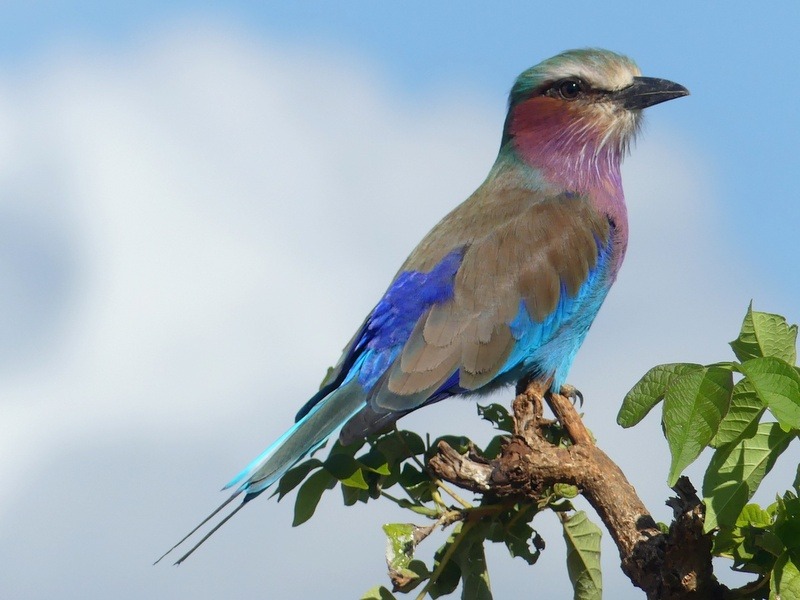
Wildlife: Capture images of the Big Five (lion, leopard, elephant, buffalo, and rhino) and other iconic species in their natural habitats. Landscapes: Photograph the breathtaking vistas of the Ngorongoro Crater, Mount Kilimanjaro, and the expansive savannahs of the Serengeti and Tarangire. Birdlife: Take close-up shots of over 1,000 bird species, including flamingos at Lake Manyara and Tarangire. Cultural Encounters: Capture the vibrant cultures and traditions of the Maasai, Hadzabe, and other local tribes.
WALKING SAFARI
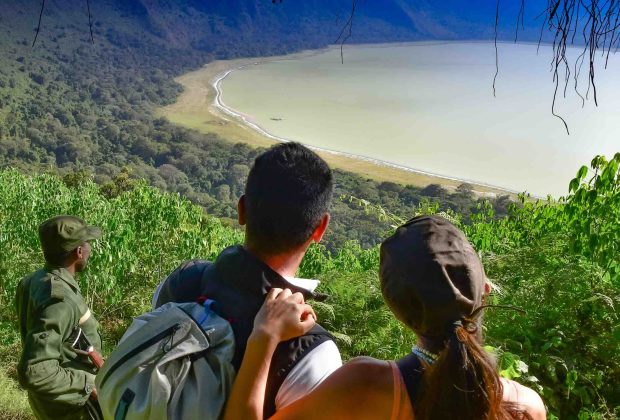
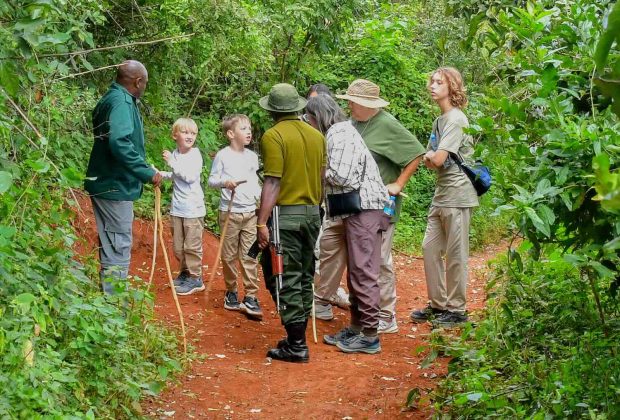
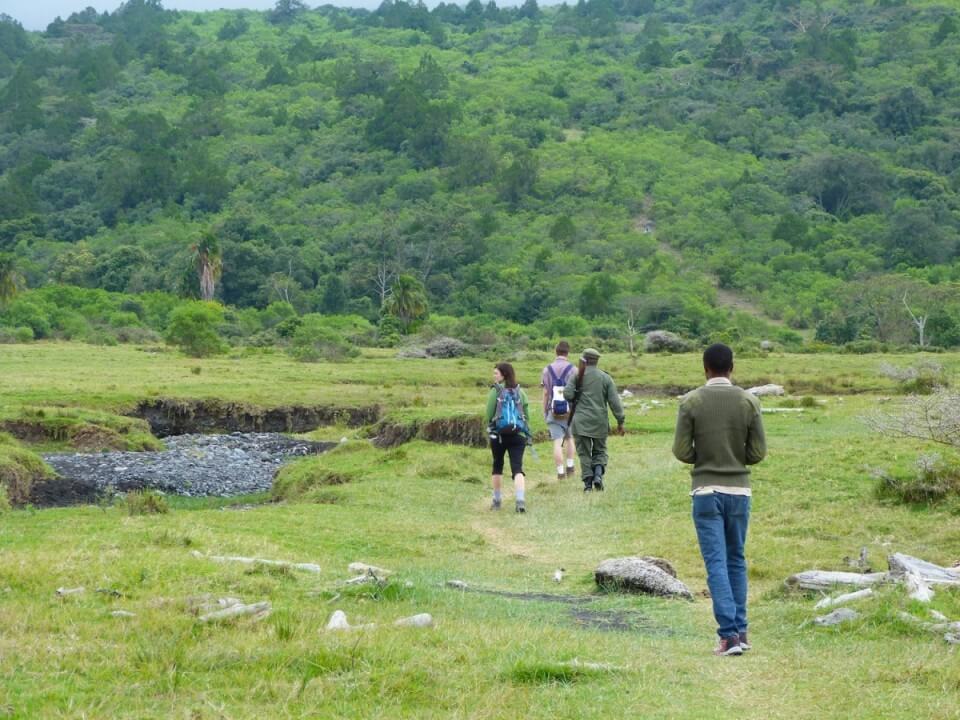
Walking safaris offer an intimate and immersive experience, allowing you to explore Tanzania’s wilderness on foot. Guided by armed rangers, you can safely observe wildlife up close and learn about the smaller details of the ecosystem that are often missed on game drives.
Highlights
Lake Manyara National Park: Explore the park’s varied habitats, from dense forests to open plains, and get close to elephants, giraffes, and a variety of bird species. Ngorongoro Conservation Area: Walk along the crater rim or through the highland forests, learning about the area’s geology and wildlife. Arusha National Park: Hike around the Momella Lakes and through the rainforest, spotting diverse wildlife and bird species.
CULTURAL TOURS
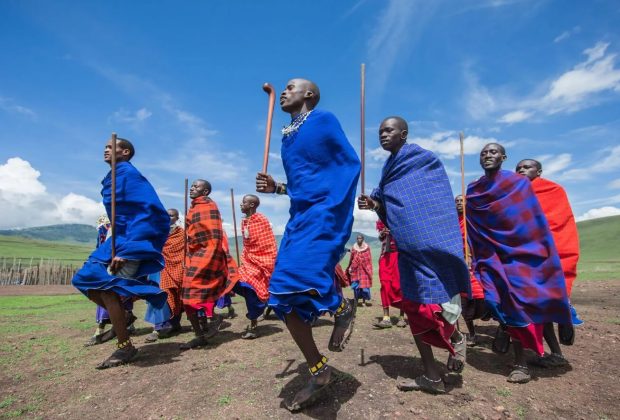
Cultural tours in Tanzania provide a deep dive into the rich traditions and lifestyles of its indigenous communities. These tours offer a unique perspective on the local way of life and allow for meaningful interactions with the people who call Tanzania home.
Highlights
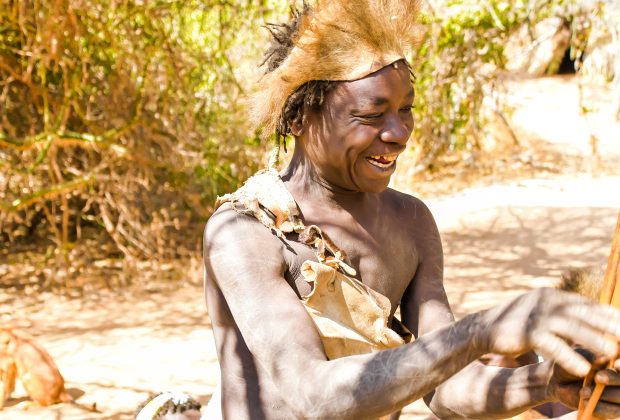
Maasai Villages: Visit Maasai communities to learn about their traditional customs, dances, and crafts. Hadzabe Tribe: Spend time with the Hadzabe, one of the last hunter-gatherer tribes in Africa, and experience their way of life. Datoga Tribe: Learn about the blacksmithing skills and pastoral lifestyle of the Datoga people. Stone Town, Zanzibar: Explore the historical and cultural heart of Zanzibar, with its winding alleys, spice markets, and historic sites.
BALLOON SAFARI
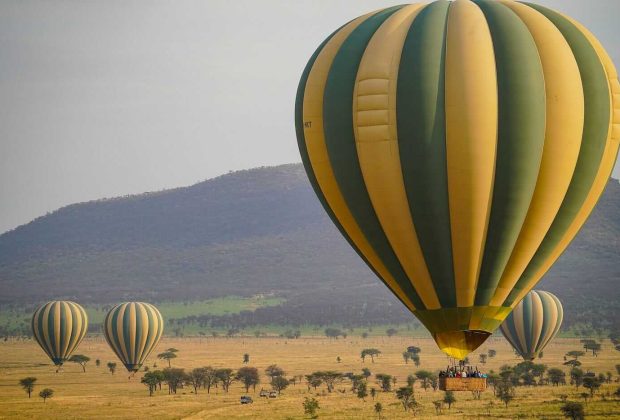
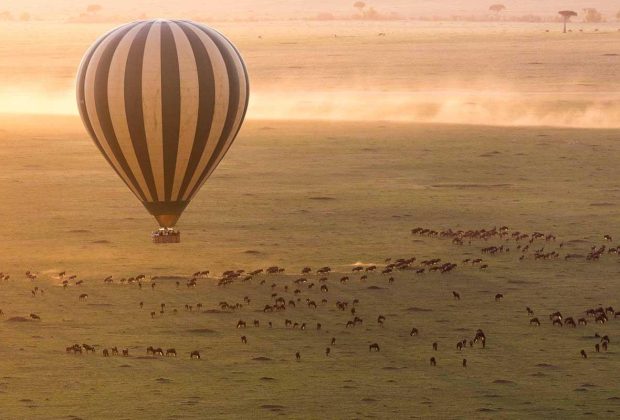
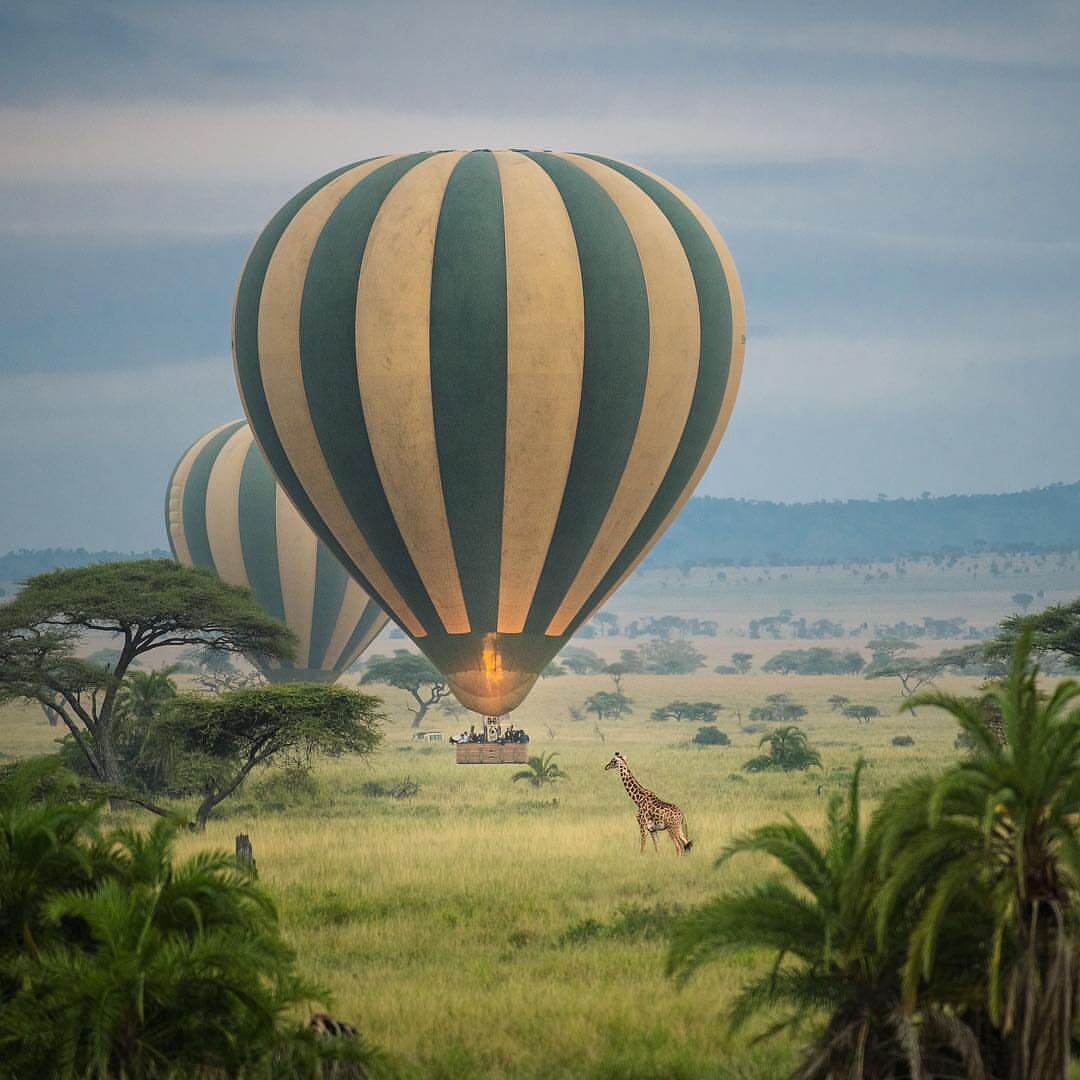
A balloon safari offers a unique and exhilarating way to view Tanzania’s landscapes and wildlife from above. Floating silently over the savannah at dawn, you can enjoy panoramic views and unparalleled photo opportunities.
Highlights
Serengeti National Park: Glide over the vast Serengeti plains during the awe-inspiring Great Migration, witnessing the breathtaking spectacle of millions of wildebeest and zebras from a unique vantage point in a hot air balloon. Tarangire National Park: Soar above the iconic baobab-studded landscapes of Tarangire, observing majestic elephants and a diverse array of other wildlife from the air, capturing the park’s beauty in a truly unforgettable way.
These northern destinations offers a comprehensive Tanzanian safari experience. The Serengeti provides the iconic wildlife spectacle of the Great Migration, while Ngorongoro’s unique crater ecosystem offers unparalleled game viewing.
Lake Manyara’s varied landscapes and birdlife add diversity to the journey, and Tarangire’s elephant herds and baobab-studded scenery offer a quieter, more intimate safari experience. Finally, Arusha National Park’s diverse ecosystems and convenient location serve as the perfect start or end point to explore Northern Tanzania’s natural wonders.
Serengeti National Park
Serengeti National Park, one of the most famous wildlife destinations in the world, is renowned for its vast savannahs and the Great Migration. Covering 14,750 square kilometers, it hosts millions of wildebeest, zebras, and gazelles, along with a rich variety of predators like lions, leopards, and cheetahs. The park’s ecosystem supports an unparalleled diversity of wildlife, making it a prime destination for safari enthusiasts.
Why Choose Serengeti National Park
Serengeti allows you to immerse yourself in one of the most spectacular wildlife spectacles on earth, setting an adventurous tone for the rest of your journey. The park’s vast, open plains and abundant wildlife offer a thrilling and iconic introduction to Tanzania’s natural beauty.
Activities in Serengeti National Park
Game Drives: Experience the dramatic scenes of the Great Migration and spot the Big Five (lion, leopard, elephant, buffalo, and rhino). Hot Air Balloon Safaris: Gain a bird’s-eye view of the Serengeti’s expansive landscapes and wildlife. Guided Walking Safaris: Explore the park’s flora and fauna on foot with a knowledgeable guide. Cultural Visits: Visit Maasai villages to learn about their culture and way of life.
Ngorongoro Conservation Area
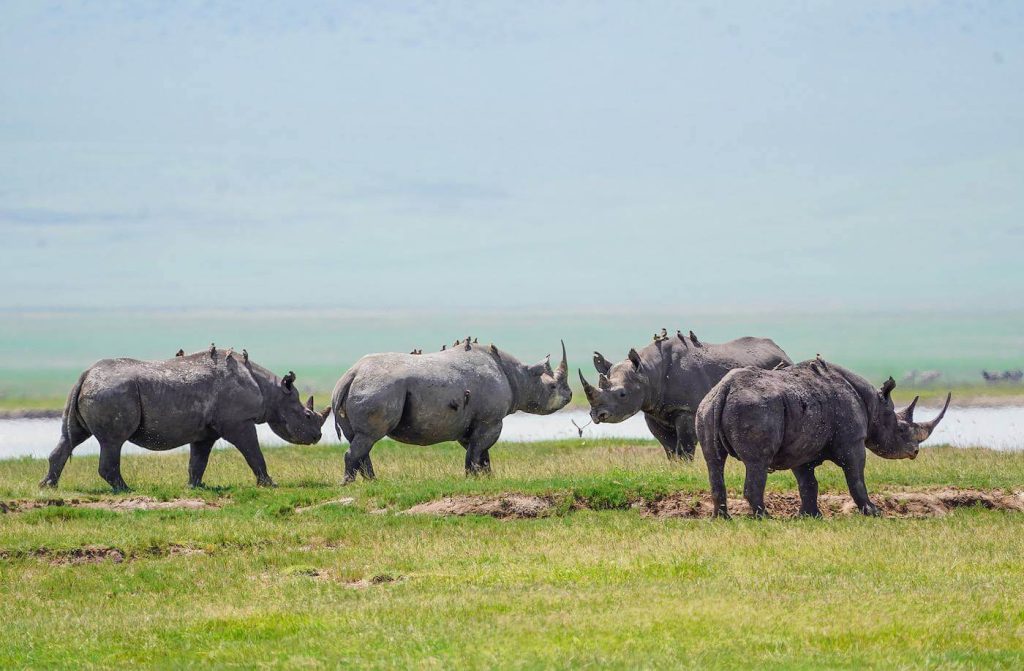
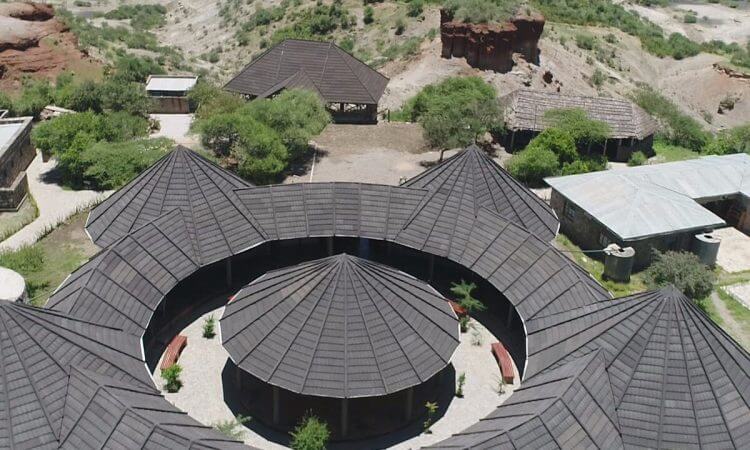
The Ngorongoro Conservation Area is a UNESCO World Heritage Site featuring the world’s largest inactive volcanic caldera. The Ngorongoro Crater, measuring about 610 meters deep and 260 square kilometers in area, hosts a dense concentration of wildlife, including the Big Five: lions, leopards, elephants, buffaloes, and rhinos. The area also includes the significant archaeological site of Olduvai Gorge, known as the Cradle of Mankind.
Why Choose Ngorongoro Conservation Area
Ngorongoro offers a contrasting landscape with its lush crater floor and abundant wildlife. The concentrated area of the crater provides excellent game viewing opportunities and adds a fascinating geological dimension to your safari.
Activities in Ngorongoro Conservation Area
Crater Game Drives: Explore the unique ecosystem of the Ngorongoro Crater, home to an incredible density of wildlife. Visit Olduvai Gorge: Discover one of the most important paleoanthropological sites in the world, known as the Cradle of Mankind. Cultural Tours: Interact with the Maasai people and learn about their traditional lifestyle.
Lake Manyara National Park
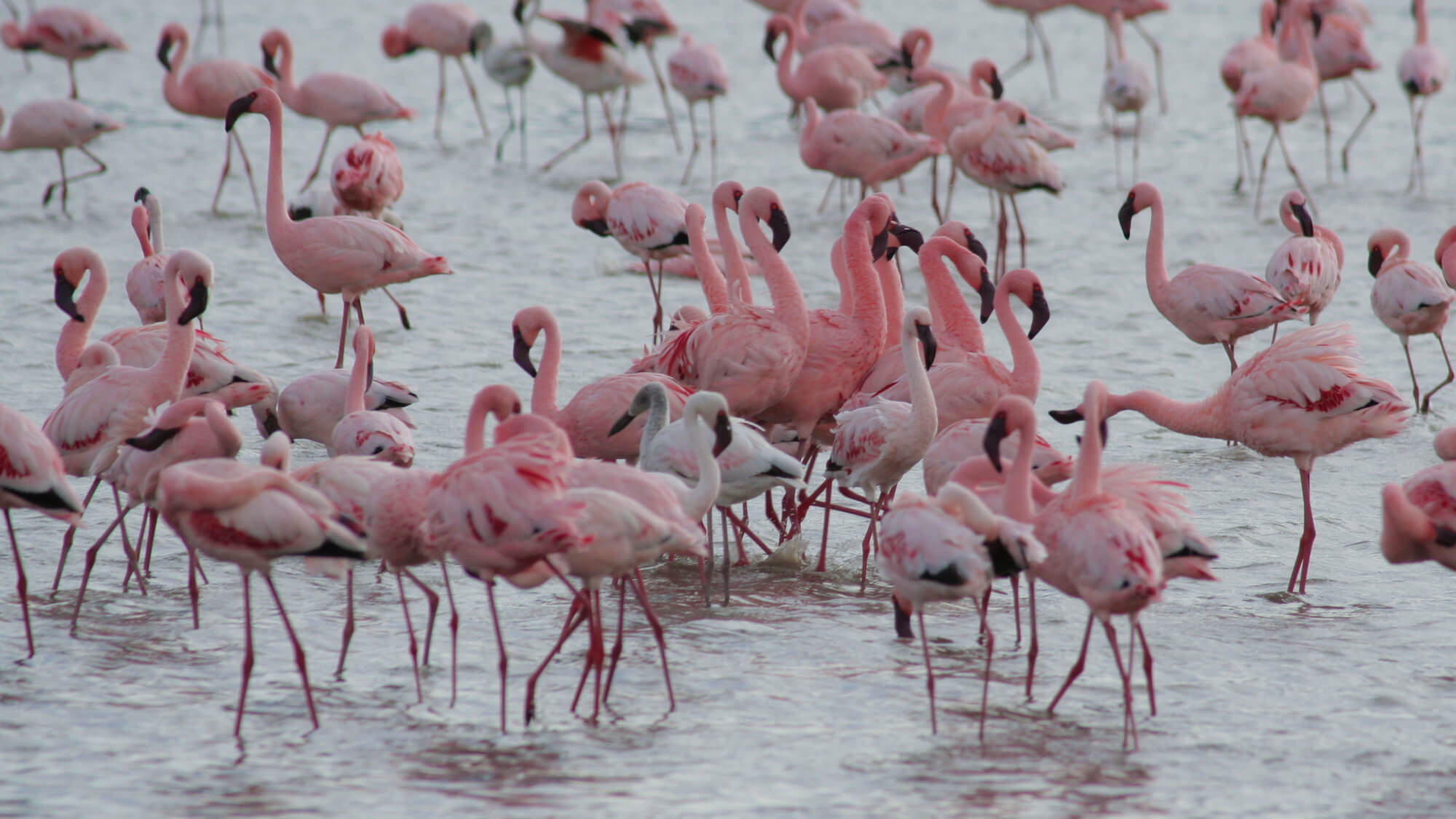
Lake Manyara National Park, covering 325 square kilometers, is famous for its diverse ecosystems ranging from groundwater forests to savannahs and the alkaline Lake Manyara. The park is particularly noted for its tree-climbing lions and large elephant populations. It is also a bird watcher’s paradise with over 400 bird species, including large flocks of flamingos.
Why Choose Lake Manyara National Park
Lake Manyara provides a serene and scenic contrast to the wide-open plains and crater landscapes previously visited. The park’s lush vegetation and beautiful lake offer a peaceful interlude, rich in wildlife and perfect for bird enthusiasts.
Activities in Lake Manyara National Park
Game Drives: Search for the park’s famous tree-climbing lions and large elephant herds. Bird Watching: Observe over 400 bird species, including vibrant flamingos on the lake. Canoeing: Paddle on Lake Manyara, offering a unique perspective on the park’s wildlife and landscapes.
Tarangire National Park
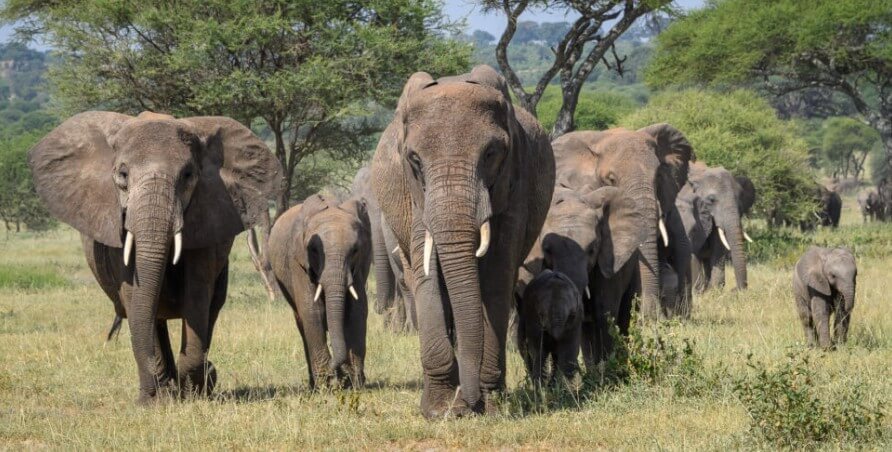
Tarangire National Park, spanning 2,850 square kilometers, is characterized by its large herds of elephants and ancient baobab trees. The park’s landscape is marked by the Tarangire River, which attracts wildlife during the dry season. It offers a quieter, less crowded safari experience with a high concentration of wildlife, including various bird species and seasonal migration of wildebeest and zebras.
Why Choose Tarangire National Park
Tarangire offers a unique landscape and a quieter, more secluded wildlife experience. The park’s iconic baobabs and elephant herds provide a distinctive and memorable safari, contrasting with the other parks’ environments.
Activities in Tarangire National Park
Game Drives: Witness large herds of elephants and a variety of other wildlife, particularly during the dry season. Bird Watching: Enjoy spotting numerous bird species, especially near the Tarangire River. Walking Safaris: Discover the park’s diverse landscapes and wildlife on foot with a guided tour.
Arusha National Park
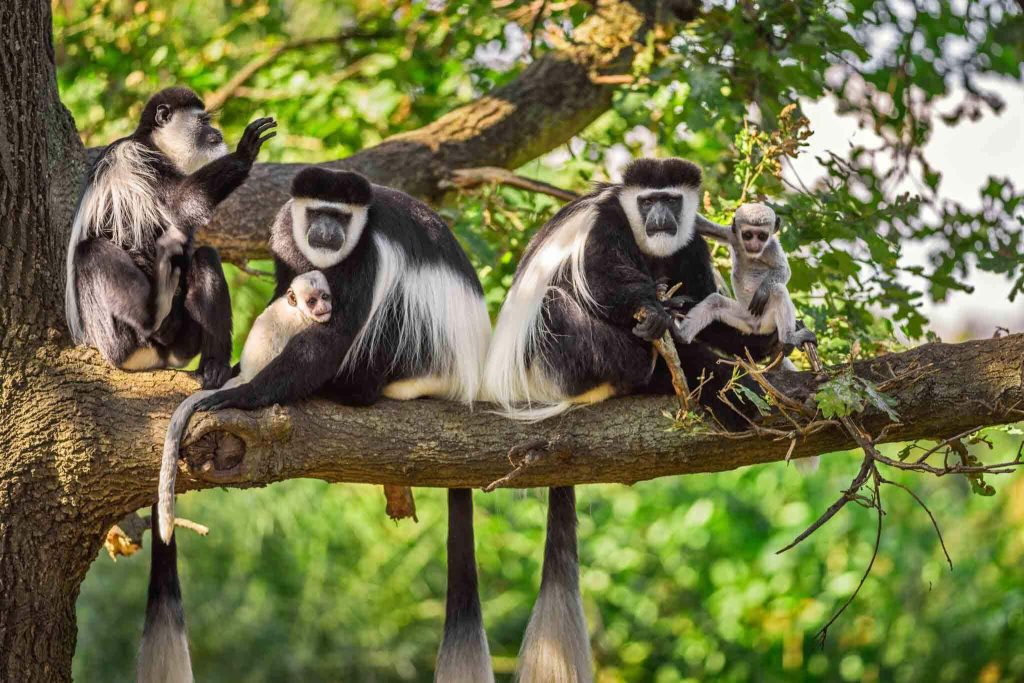
Arusha National Park, though smaller at 552 square kilometers, boasts a remarkable diversity of landscapes, including lush rainforests, alpine deserts, and the Momella Lakes. It is home to Mount Meru, the second-highest peak in Tanzania. The park supports a variety of wildlife, such as giraffes, buffaloes, zebras, and primates like the black-and-white colobus monkey. Its proximity to Arusha city makes it an accessible destination for a day trip or a gentle conclusion to a Tanzanian safari adventure.
Why Choose Arusha National Park
Arusha National Park provides a gentle transition from the wilderness to more urban settings. The park’s proximity to Arusha city and Kilimanjaro International Airport makes it a convenient final stop. Its varied landscapes and activities offer a reflective and relaxing conclusion to your Tanzanian safari adventure.
Activities in Arusha National Park
Game Drives: Explore the park’s diverse habitats and spot wildlife, including giraffes, zebras, and colobus monkeys. Walking Safaris: Enjoy guided walks, offering close encounters with the park’s flora and fauna. Canoeing on Momella Lakes: Paddle on the serene lakes, surrounded by stunning scenery and abundant birdlife. Climb Mount Meru: For the adventurous, trek to the summit of Mount Meru for breathtaking views and a rewarding hiking experience.
Zanzibar Beach Holiday
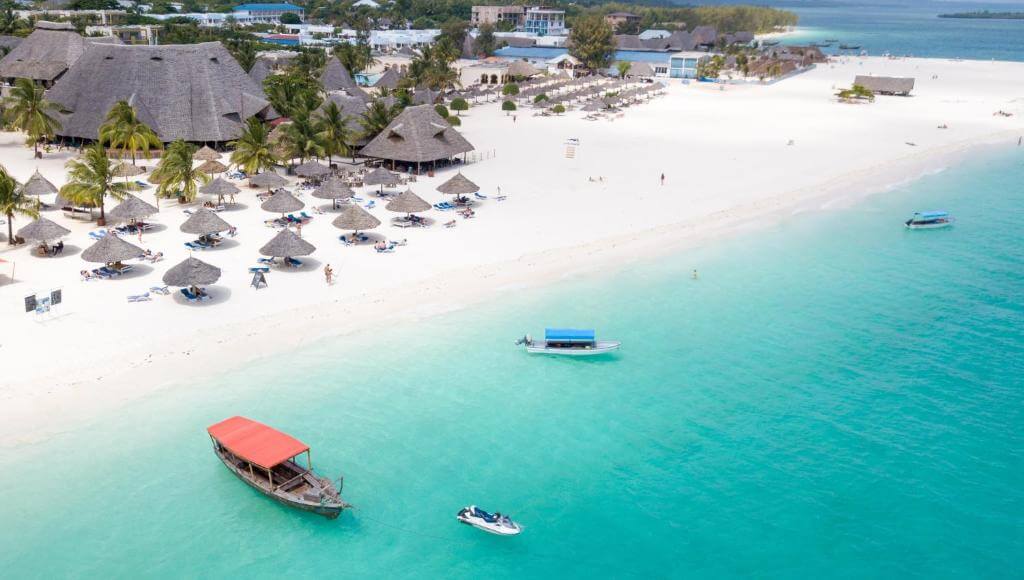
Zanzibar, an enchanting archipelago off the coast of Tanzania in the Indian Ocean, is renowned for its stunning white-sand beaches, crystal-clear turquoise waters, and rich cultural heritage. The main island, Unguja, commonly referred to as Zanzibar Island, is a vibrant mix of African, Arab, Indian, and European influences, making it a unique and fascinating destination. Stone Town, the historical heart of the island, is a UNESCO World Heritage Site known for its winding alleys, bustling bazaars, and grand Arab houses.
Why Choose Zanzibar Beach Holiday
The island’s stunning beaches and warm waters provide a paradise for those looking to unwind or engage in watersports. Its rich history and cultural diversity offer a deep and enriching experience, with opportunities to explore the unique blend of influences that have shaped the island.
Activities in Zanzibar Island
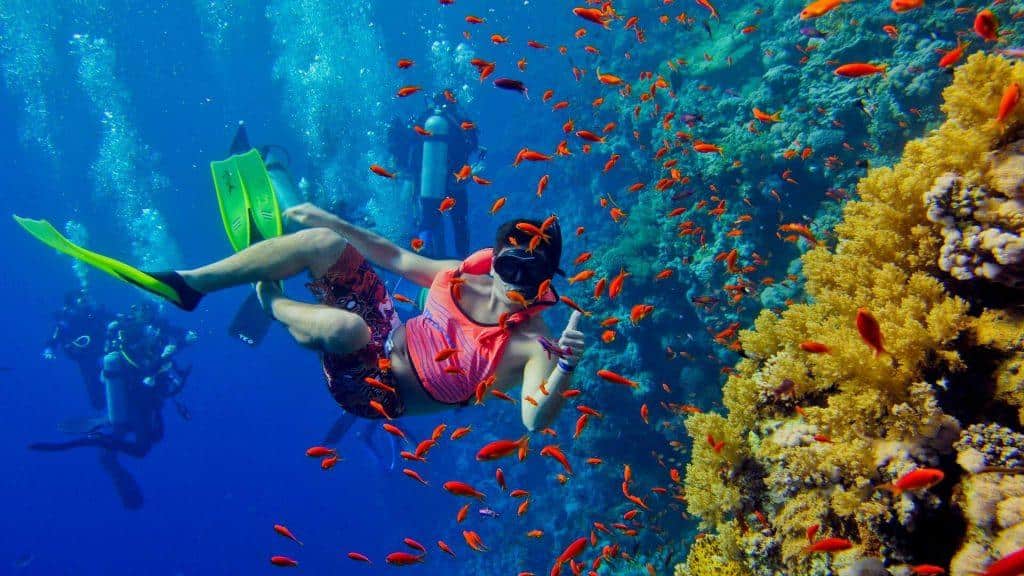
Beaches: Enjoy the pristine beaches of Nungwi, Kendwa, Paje, and Jambiani, known for their powdery white sand and calm, clear waters. Snorkeling and Diving: Explore the vibrant coral reefs teeming with marine life in locations such as Mnemba Atoll, Chumbe Island, and the Blue Lagoon. Kitesurfing: Take advantage of the consistent winds and shallow waters on the east coast, especially in Paje. Spice Tours: Discover why Zanzibar is known as the “Spice Island” by touring spice plantations where you can see, smell, and taste a variety of spices like cloves, nutmeg, and cinnamon.
The Rongai Route is one of the less traveled routes on Mount Kilimanjaro, starting from the north side near the Kenyan border. It offers a unique perspective of the mountain and is known for its unspoiled wilderness and relative solitude.
This route is generally considered less challenging than others and has a gradual ascent profile, making it a good option for those seeking a quieter trek with a high success rate.
Area to Visit
Rongai Gate, Simba Camp, Second Cave Camp, Kikelewa Camp, Mawenzi Tarn Camp, Kibo Hut, Uhuru Peak, Horombo Hut, Marangu Gate
Full Itinerary
Day 1: Rongai Gate to Simba Camp
Distance: 8 km / 5 miles Habitat: Montane Forest Time: 3-4 hours
The trek begins at Rongai Gate after registration. The trail starts through the montane forest, offering a chance to spot wildlife such as colobus monkeys and various bird species. The path is relatively easy and gradually ascends to Simba Camp.
Day 2: Simba Camp to Second Cave Camp
Distance: 8 km / 5 miles Habitat: Moorland Time: 3-4 hours
Today’s hike continues through the moorland zone with open landscapes and stunning views of Kibo and the eastern ice fields. The trail is gentle and offers good acclimatization as you reach Second Cave Camp.
Day 3: Second Cave Camp to Kikelewa Camp
Distance: 5 km / 3 miles Habitat: Moorland Time: 3-4 hours
The trek becomes steeper as you leave the moorland behind and approach Kikelewa Camp. The views of the valleys and peaks around are breathtaking. The day is shorter to aid acclimatization.
Day 4: Kikelewa Camp to Mawenzi Tarn Camp
Distance: 6 km / 3.5 miles Habitat: Alpine Desert Time: 4-5 hours
The trail becomes steeper and rockier as you approach Mawenzi Tarn Camp, located in a dramatic cirque beneath the spires of Mawenzi. This is one of the most scenic campsites, and you will spend the afternoon exploring the area and acclimatizing.
Day 5: Mawenzi Tarn Camp to Kibo Hut
Distance: 8 km / 5 miles Habitat: Alpine Desert Time: 5-6 hours
The trail crosses the lunar desert of the saddle between Mawenzi and Kibo, offering stunning but stark landscapes. The path is straightforward but challenging due to the altitude. You will reach Kibo Hut in the early afternoon, allowing time to rest and prepare for the summit attempt.
Day 6: Kibo Hut to Uhuru Peak, then to Horombo Hut
Distance: 22 km / 14 miles (round trip) Habitat: Arctic to Alpine Desert Time: 10-15 hours
The summit attempt begins around midnight. The climb to Gillman’s Point (5,681m) is steep and strenuous, followed by a gentler ascent to Uhuru Peak. After reaching the summit and celebrating, you will descend back to Kibo Hut for a short rest before continuing down to Horombo Hut.
Day 7: Horombo Hut to Marangu Gate
Distance: 20 km / 12.5 miles Habitat: Moorland to Rainforest Time: 5-7 hours
The final descent takes you through the heath and moorland zone back into the lush rainforest. The path is well-maintained but can be slippery and muddy. At Marangu Gate, you will receive your summit certificate and be transferred back to your hotel.
The Lemosho Route is one of the newer and less crowded routes on Mount Kilimanjaro, renowned for its stunning scenery and higher success rates due to its longer duration, which allows for better acclimatization.
This route takes you through diverse landscapes, including lush rainforests, moorlands, and alpine deserts, culminating in a challenging but rewarding summit.
Distance: 6 km / 4 miles Habitat: Rainforest Time: 3-4 hours
The trek starts at Londorossi Gate with registration and a drive to the trailhead. The hike begins in the lush rainforest, where you might see wildlife such as colobus monkeys and various bird species. The trail is relatively easy and leads to Mti Mkubwa Camp, also known as Big Tree Camp.
Day 2: Mti Mkubwa Camp to Shira 1 Camp
Distance: 8 km / 5 miles Habitat: Moorland Time: 5-6 hours
The trail continues through the rainforest before transitioning into the moorland zone. The path becomes steeper as you ascend, with views of the Shira Plateau opening up. The day’s hike ends at Shira 1 Camp.
Day 3: Shira 1 Camp to Shira 2 Camp
Distance: 7 km / 4.5 miles Habitat: Moorland Time: 4-5 hours
Today’s hike is a gentle ascent across the Shira Plateau, offering panoramic views of the surrounding landscape and the western breach of Kilimanjaro. You will reach Shira 2 Camp, where you can relax and acclimatize.
Day 4: Shira 2 Camp to Barranco Camp via Lava Tower
Distance: 10 km / 6 miles Habitat: Alpine Desert Time: 7-8 hours
The trail heads east towards Lava Tower, a significant acclimatization point at 4,630m. After reaching Lava Tower, you descend to Barranco Camp, which is situated in a valley below the Barranco Wall. This descent helps with acclimatization by the “climb high, sleep low” principle.
Day 5: Barranco Camp to Karanga Camp
Distance: 5 km / 3 miles Habitat: Alpine Desert Time: 4-5 hours
The day starts with the challenging Barranco Wall, a steep climb that requires some scrambling but is manageable. After the wall, the trail undulates through the alpine desert, with beautiful views of the Kibo peak and valleys below, leading to Karanga Camp.
Day 6: Karanga Camp to Barafu Camp
Distance: 4 km / 2.5 miles Habitat: Alpine Desert Time: 4-5 hours
The trail to Barafu Camp is a steady ascent through the alpine desert. Barafu Camp is the base camp for the final summit push. After arriving, you will have an early dinner and rest in preparation for the midnight summit attempt.
Day 7: Barafu Camp to Uhuru Peak, then to Mweka Camp
Distance: 17 km / 11 miles (round trip) Habitat: Arctic to Alpine Desert Time: 10-14 hours
The summit attempt starts around midnight. The steep climb to Stella Point (5,739m) is demanding. From Stella Point, it’s a gentle slope to Uhuru Peak, the highest point in Africa. After celebrating at the summit, you descend back to Barafu Camp for a short rest, then continue down to Mweka Camp through the alpine desert and moorland zones.
Day 8: Mweka Camp to Mweka Gate
Distance: 10 km / 6 miles Habitat: Rainforest Time: 3-4 hours
The final descent takes you through the lush rainforest to Mweka Gate. The trail can be slippery and muddy, so take your time. At the gate, you will receive your summit certificate and be transported back to your hotel.
The Machame Route, also known as the “Whiskey” route, is one of the most popular routes to the summit of Mount Kilimanjaro. Known for its scenic beauty, the route provides a diverse range of landscapes and stunning views. It typically takes 7 days to complete, offering ample time for acclimatization.
Distance: 11 km / 7 miles Habitat: Rainforest Time: 5-7 hours
The trek begins at Machame Gate with registration. The trail winds through the lush rainforest, where you might spot colobus monkeys and a variety of bird species. The path is relatively steep but well-defined, leading to Machame Camp.
Day 2: Machame Camp to Shira Camp
Distance: 5 km / 3 miles Habitat: Moorland Time: 4-6 hours
The trail continues through the heath and moorland zone. The landscape changes dramatically as you leave the rainforest, with more rocky terrain and fewer trees. You will traverse a ridge, gaining elevation steadily until reaching Shira Camp, situated on the Shira Plateau.
Day 3: Shira Camp to Lava Tower to Barranco Camp
Distance: 10 km / 6 miles Habitat: Alpine Desert Time: 6-8 hours
This day is essential for acclimatization. The trail heads east towards Lava Tower, a significant landmark at 4,630m. After reaching Lava Tower, you descend to Barranco Camp. This “climb high, sleep low” strategy helps your body adjust to the altitude.
Day 4: Barranco Camp to Karanga Camp
Distance: 5 km / 3 miles Habitat: Alpine Desert Time: 4-5 hours
The day starts with the challenging Barranco Wall, a steep climb that requires some scrambling but is generally non-technical. After surmounting the wall, the trail continues through the alpine desert, leading to Karanga Camp, providing excellent views of the surrounding valleys.
Day 5: Karanga Camp to Barafu Camp
Distance: 4 km / 2.5 miles Habitat: Alpine Desert Time: 4-5 hours
The trail ascends steadily towards Barafu Camp, the base camp for the summit push. The terrain is barren and rocky, and the air becomes thinner. Upon reaching Barafu Camp, you will rest and prepare for the final ascent to the summit.
Day 6: Barafu Camp to Uhuru Peak, then to Mweka Camp
Distance: 17 km / 11 miles (round trip) Habitat: Arctic to Alpine Desert Time: 10-14 hours
The summit attempt starts around midnight. The steep climb to Stella Point (5,739m) is physically demanding. From Stella Point, it’s a gentle slope to Uhuru Peak, the highest point in Africa. After celebrating the summit, you descend back to Barafu Camp for a short rest before continuing down to Mweka Camp through the alpine desert and moorland zones.
Day 7: Mweka Camp to Mweka Gate
Distance: 10 km / 6 miles Habitat: Rainforest Time: 3-4 hours
The final descent takes you through the lush rainforest to Mweka Gate. The path can be slippery and muddy, so take your time. At the gate, you will receive your summit certificate and be transported back to your hotel.